18k Gold-Filled Jewelry: What It Is, Why It Lasts & How to Care for It
What gold-filled jewelry actually is under FTC rules, how it compares to gold-plated and vermeil, whether it's hypoallergenic, and how to clean and care for it so it lasts for years.
What is gold-filled jewelry?
Gold-filled jewelry is the everyday-durable, hypoallergenic-friendly middle ground between cheap gold plating and expensive solid gold — and once you know how to spot it and care for it, it can look brand-new for years. This guide from Emma Gilt breaks down what the term legally means, how it compares to plated and vermeil pieces, and how to keep it looking its best.
Gold-filled jewelry is real gold, mechanically bonded over a base metal in a thick, federally regulated layer — built to outlast plated pieces by years.
If you want pieces you can wear daily without your skin reacting or the finish flaking within months, gold-filled is the practical middle tier. Gogo Lush takes a similar everyday-durable approach with 18k gold dipped over a hypoallergenic stainless-steel base — technically a gold-plated (dipped) construction rather than true gold-filled, but a budget-friendly way to get a real 18k gold look for daily wear.
Shop Gogo Lush 18k Gold-Dipped JewelryWhat you'll learn
- The legal definition of gold-filled jewelry and why it's not the same as plating
- How gold-filled, gold-plated, vermeil, and solid gold actually compare on durability
- Whether gold-filled jewelry is safe for sensitive or nickel-reactive skin
- How water, sweat, and everyday wear affect the gold layer over time
- A simple at-home cleaning and storage routine that keeps pieces tarnish-free
What is gold-filled jewelry?
Gold-filled jewelry is defined by U.S. federal regulation, not marketing language. Under the FTC's Guides for the Jewelry, Precious Metals, and Pewter Industries, a piece can only be called gold-filled if a layer of at least 10-karat gold is mechanically bonded to a base metal so that the gold makes up at least 1/20th — a minimum of 5% — of the item's total weight, applied with enough thickness and surface coverage to assure reasonable durability through years or decades of normal wear.
That mechanical bonding step matters: instead of dipping or electroplating a whisper-thin gold film onto a base metal, manufacturers use heat and pressure to fuse a genuinely thick gold sheet onto the surface. The result behaves much closer to solid gold in daily wear than a plated piece ever will, at a fraction of the weight and cost.
Gold-filled vs. gold-plated vs. vermeil vs. solid gold
These four terms get used loosely online, but they describe very different products. The gold layer's thickness — not the karat number alone — is what determines how long a piece will actually last on your skin.
Gold-filled jewelry uses a thick layer of 14k gold, roughly 5% of the item's total weight, heat- and pressure-bonded to a base metal like brass, making it the most durable and tarnish-resistant of the surface-gold treatments. Vermeil uses a minimum 2.5-micron layer of gold over a sterling silver base and typically lasts 5 to 10 years with normal wear. Gold-plated jewelry has the thinnest layer of all — often under 0.5 microns — applied over base metals, and usually lasts only 6 months to 2 years before it flakes or tarnishes.
| Category | Gold layer | Base metal | Typical lifespan |
|---|---|---|---|
| Solid gold | 100% gold throughout | None — solid alloy | Lifetime |
| Gold-filled | Thick layer, min. 5% of weight | Brass or stainless steel | Years to decades |
| Gold vermeil | Min. 2.5 microns | Sterling silver | 5–10 years |
| Gold-plated | Often under 0.5 microns | Brass or base alloy | 6 months–2 years |
For anyone who wants low-maintenance jewelry they can wear daily — in the shower, at the gym, while sleeping — gold-filled is the practical sweet spot between the fragility of plating and the price of solid gold.
Is gold-filled jewelry hypoallergenic?
Gold-filled jewelry is hypoallergenic as long as the gold layer stays intact and the base metal underneath never gets exposed. The thick gold layer acts as a protective barrier, which is why gold-filled jewelry is generally considered safe for people with metal sensitivities — unlike gold-plated jewelry, where the thin gold layer wears through at friction points like the collar line or wrist within months, exposing a brass base that frequently contains nickel and can trigger reactions. Vermeil, built on a hypoallergenic sterling-silver base, is another safe option, especially for people with severe nickel sensitivity.
The base metal itself matters too. Some pieces — including Gogo Lush's gold-dipped collection — are built on surgical-grade stainless steel rather than brass. 316L surgical-grade stainless steel is considered hypoallergenic because, although it contains 10–14% nickel, that nickel is molecularly locked inside a passive chromium-oxide layer and doesn't leach onto the skin — making 316L close to nickel-free in practical, everyday wear. Combining a hypoallergenic base with a thick gold-filled layer gives you two layers of protection instead of one.
Does gold-filled jewelry tarnish or fade?
Gold-filled jewelry is significantly more tarnish-resistant than gold-plated jewelry, thanks to its thick gold layer that bonds firmly to the base metal instead of sitting as a thin surface film. It isn't literally tarnish-proof — it can discolor under harsh conditions like exposure to strong chemicals, saltwater, or long-term neglect — but tarnishing stays minimal with basic care. Gold-plated jewelry, by contrast, tarnishes quickly once the thin layer wears away and exposes the reactive base metal underneath. With simple maintenance — gentle cleaning every one to two weeks and drying immediately after wear — gold-filled jewelry can hold its finish for years or even decades.
In practice, this means gold-filled pieces are realistic for people who don't want to babysit their jewelry — you're not swapping out a bargain-bin pair of earrings every winter because the gold flaked off.
Can you shower and swim in gold-filled jewelry?
Gold-filled jewelry is water-resistant, so it can handle everyday exposure like showers, workouts, and light rain without issue. It is not, however, fully waterproof, and should come off before swimming in pools or the ocean — chlorine in pool water and salt in ocean water both accelerate surface wear and tarnishing over time. If gold-filled jewelry does contact sunscreen, sweat, or saltwater, rinse it promptly in clean lukewarm water and dry it thoroughly with a soft cloth to protect the gold layer.
This is one of the practical advantages of a gold-over-stainless-steel build like Gogo Lush’s gold-dipped pieces use: the base itself resists corrosion, so the main thing you're protecting is the gold surface, not the whole piece.
How to clean and care for gold-filled jewelry
Caring for gold-filled jewelry doesn't require anything specialized — just consistency. Mix a few drops of mild dish soap with warm water and soak the piece for 10 to 15 minutes, then use an ultra-soft toothbrush to gently scrub, paying extra attention to chain links where dirt and product buildup collect. Rinse with clean water and pat dry immediately with a soft cloth — avoid abrasive cleaners or scrubbing pads, which can damage the gold-filled surface. For daily maintenance, wipe pieces with a soft cloth after each wear to remove makeup and body oils, and aim for a thorough clean every one to two weeks, or more often if the piece is exposed to sweat, sunscreen, or saltwater.
- Put jewelry on last, after makeup, perfume, and sunscreen have absorbed
- Take it off before swimming, hot tubs, or intense workouts if you can
- Store pieces flat or hanging in a dry pouch, away from other metals that can scratch the surface
- Wipe down after every wear rather than waiting for visible tarnish
Choosing your first piece
If you're new to gold-filled jewelry, start with a piece you'll actually wear every day — a hoop, a simple chain, or a personalized name necklace or stacking ring — rather than a statement piece you'll save for occasions. Everyday wear is exactly where gold-filled earns its keep: it survives showers, workouts, and sleep without flaking the way plated jewelry does.
Once you have one or two staple pieces, you can start building a stack or layering multiple gold-filled pieces together — our guide on how to layer delicate jewelry covers how to mix chain lengths and textures without things tangling.
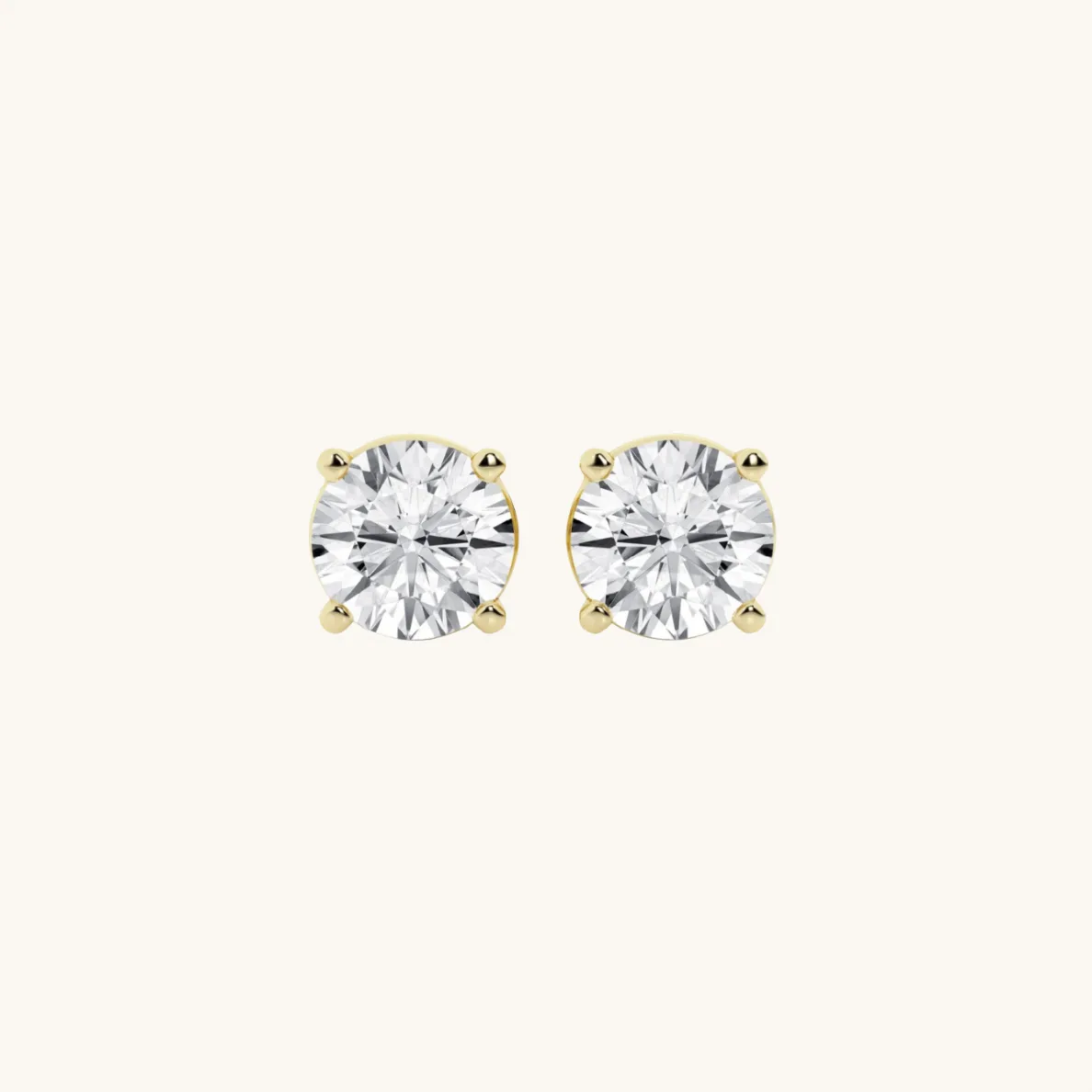
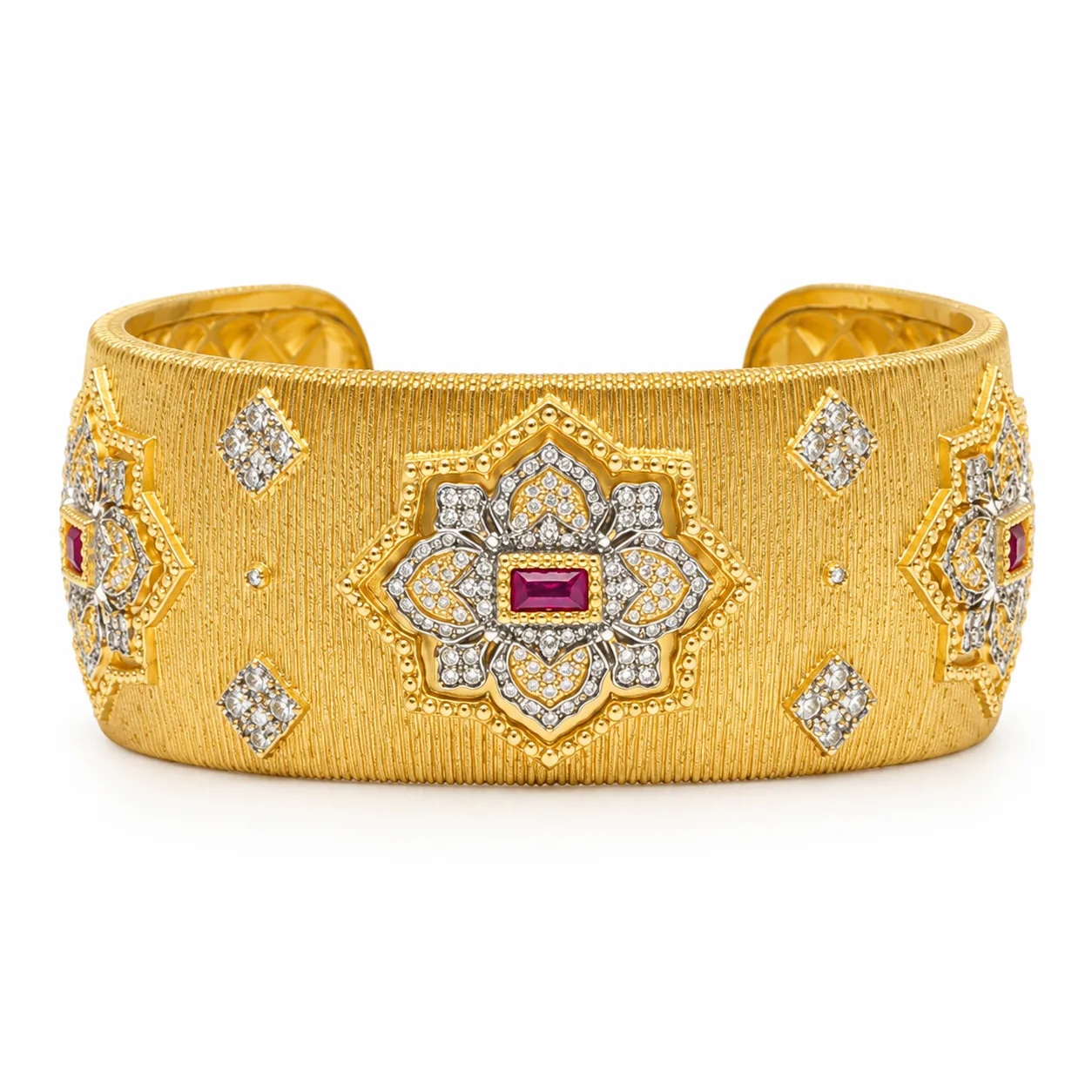
Gogo Lush 18k Gold-Dipped Jewelry
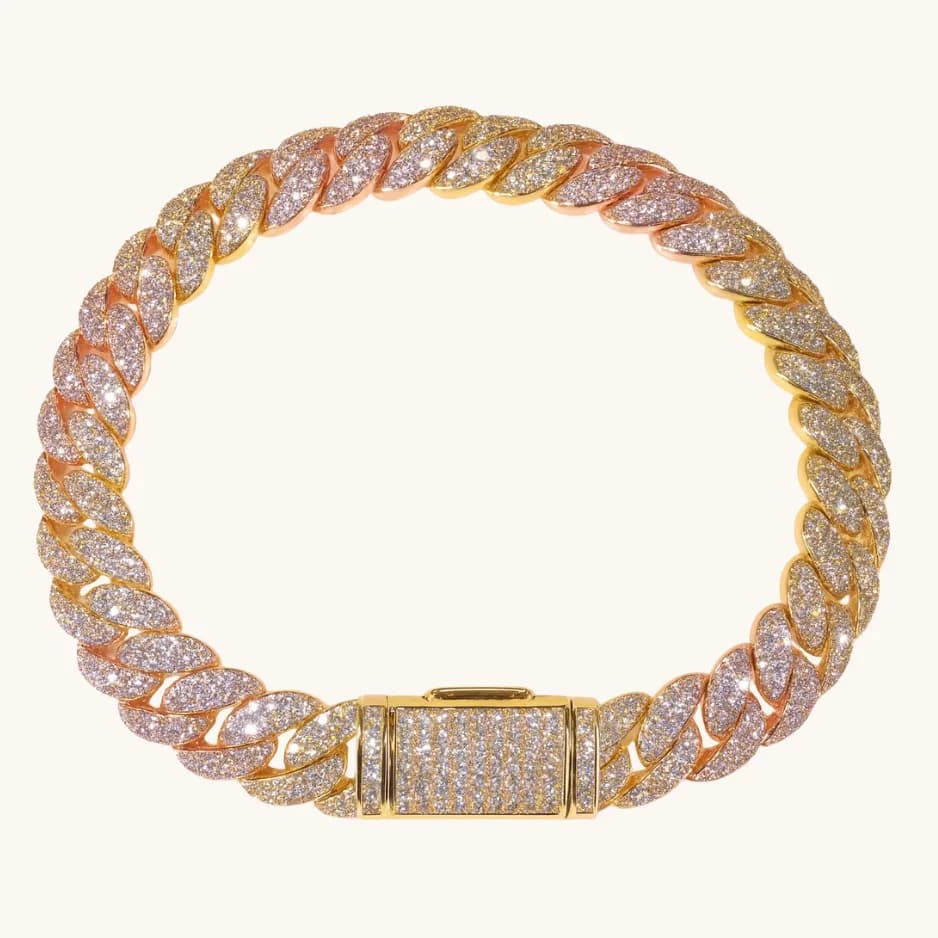
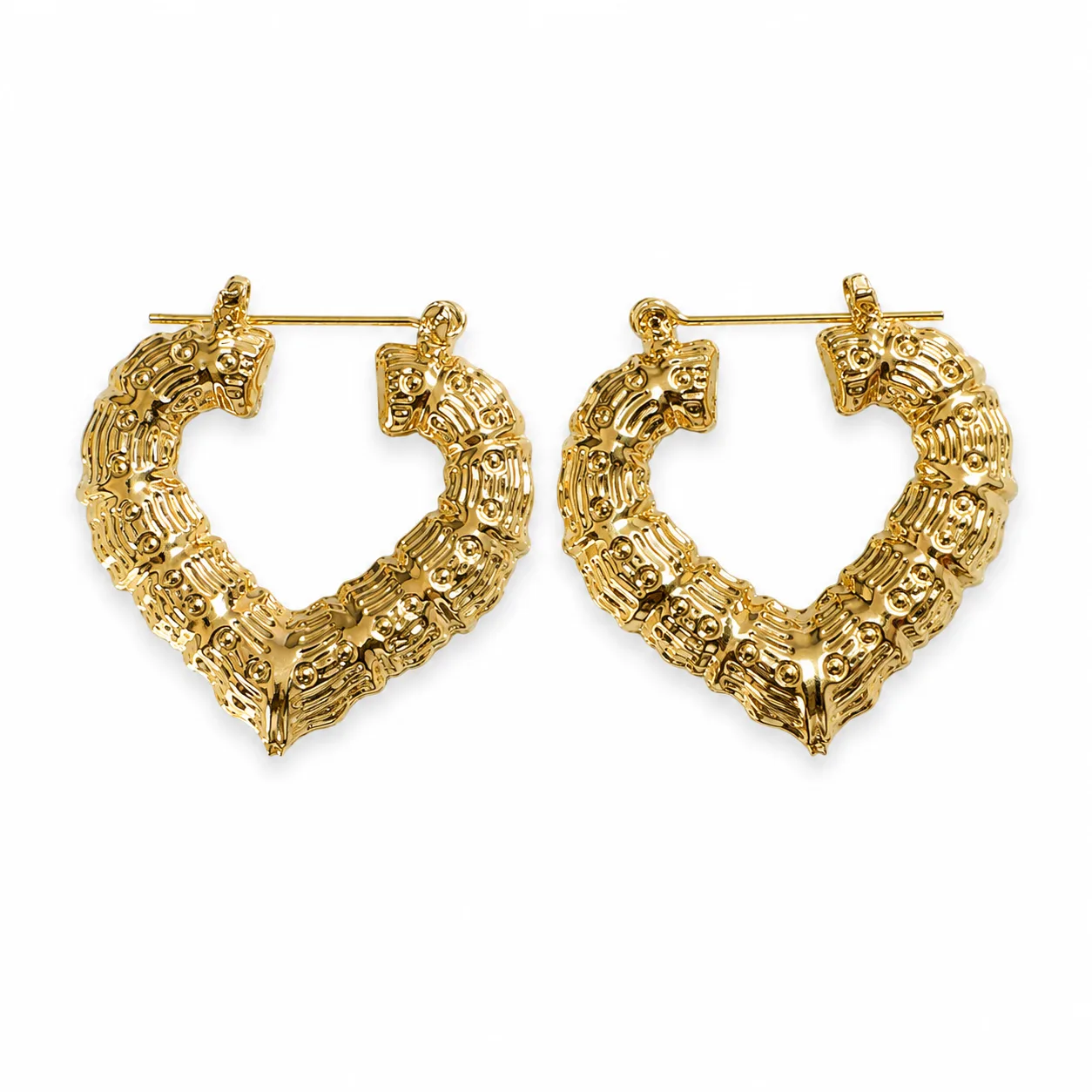
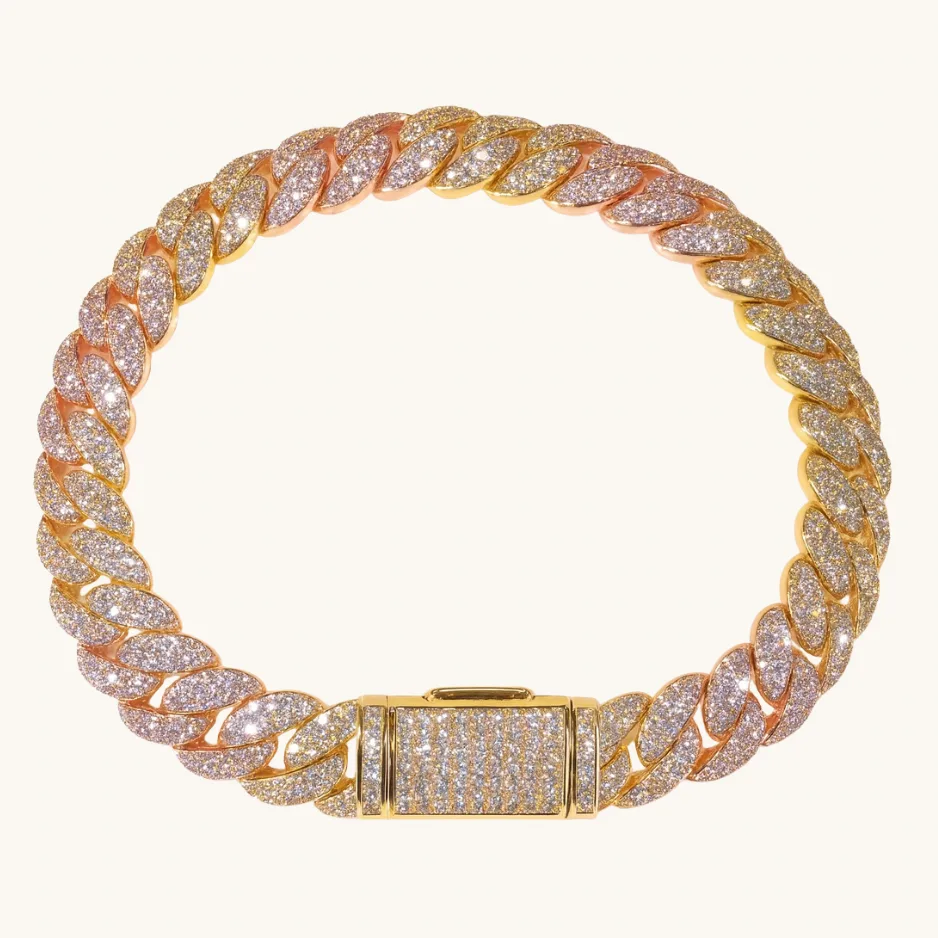
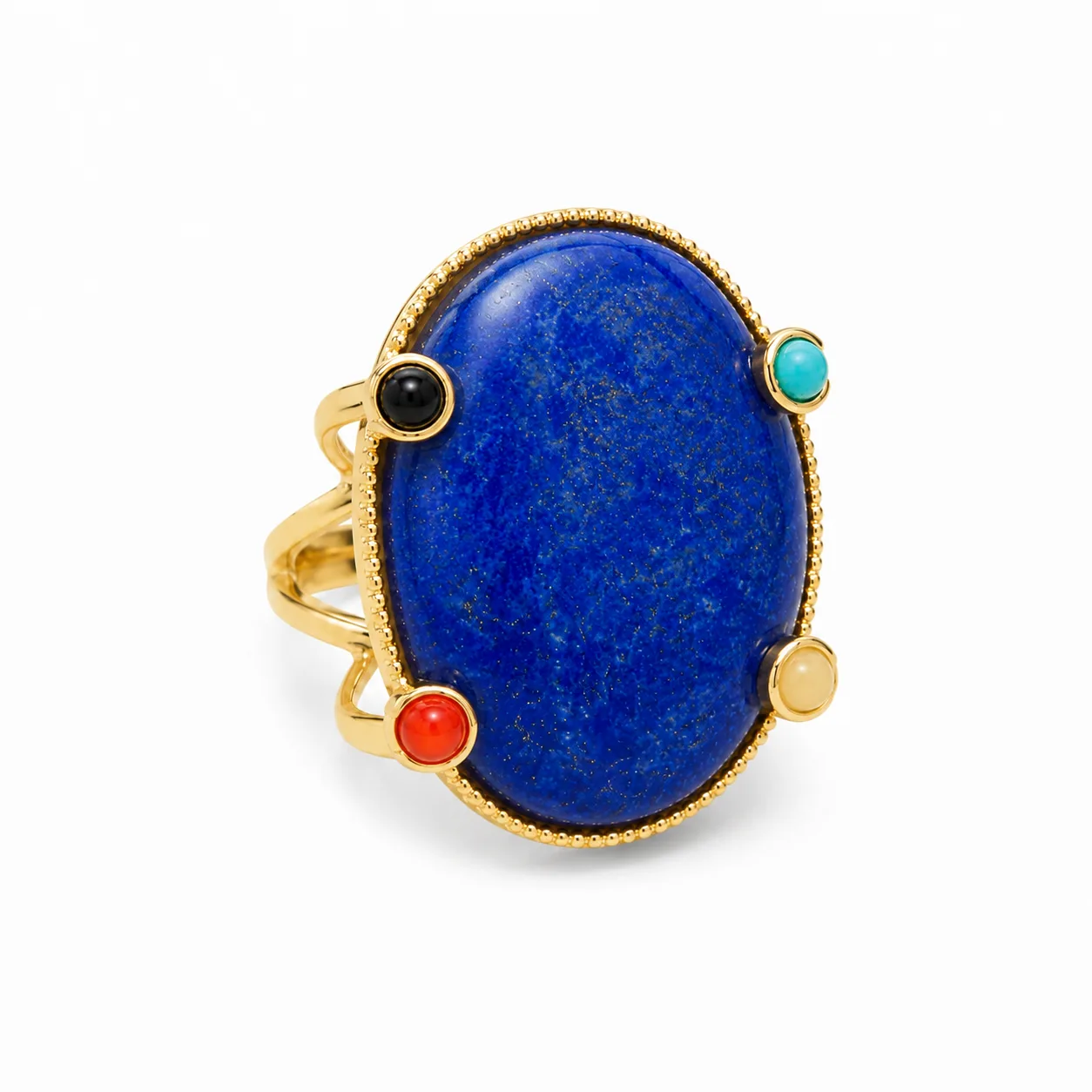
Gogo Lush builds its 18k gold-dipped pieces — hoops, Cuban bracelets, rings, and cuffs — on a hypoallergenic, water-resistant stainless-steel base, aimed at everyday wear without the flaking or skin reactions that come with thin gold plating.
View Gogo Lush CollectionWhere to go next
Gold-filled jewelry gives you the closest thing to solid-gold durability without the solid-gold price, and — as long as the gold layer stays intact — it's a safe, hypoallergenic-friendly option for daily wear. If you're ready to start building a collection, browse Gogo Lush's gold-dipped pieces, or read our guide on layering delicate jewelry to plan out your stack before you buy.
Shop Gogo Lush 18k Gold-Dipped JewelrySources
- Electronic Code of Federal Regulations — 16 CFR Part 23, Jewelry, Precious Metals, and Pewter Industries
- GLDN — Vermeil vs. Gold-Filled: What's the Real Difference?
- Lolabean — Is Gold-Dipped Jewelry Hypoallergenic?
- Vitaly Design — Is Stainless Steel Jewelry Hypoallergenic?
- Darling & Divine — How to Care for Gold-Dipped Jewelry
- Lolabean — Is Gold-Dipped Jewelry Waterproof? The Honest Answer
- GLDN — The Honest 411 on 14k Gold-Dipped Jewelry Quality & Care
This article is for general educational purposes and reflects publicly available brand and regulatory guidance current as of the last reviewed date. Individual skin sensitivity varies — if you have a diagnosed metal allergy, consult a dermatologist before wearing new metal jewelry, gold-filled or otherwise.
Recommended for you
 Personalized Name Necklaces: Best 2026 Buying Guide
 Gthic Review 2026: Is This Gothic Jewelry Worth It?
 Electric Wheelchair Cost, Insurance & Financing: What to Really Expect (2026)
 Foldable Electric Wheelchair Maintenance: Folding, Charging & Care (2026)
 How to Travel by Plane With an Electric Wheelchair (2026 Guide)
 Power Wheelchair vs Mobility Scooter: Which Is Right for You? (2026)