Electric Wheelchair Cost, Insurance & Financing: What to Really Expect (2026)
What does an electric wheelchair really cost in 2026? Our guide breaks down prices, Medicare and insurance reality, financing like Klarna, and discounts that lower the bill.
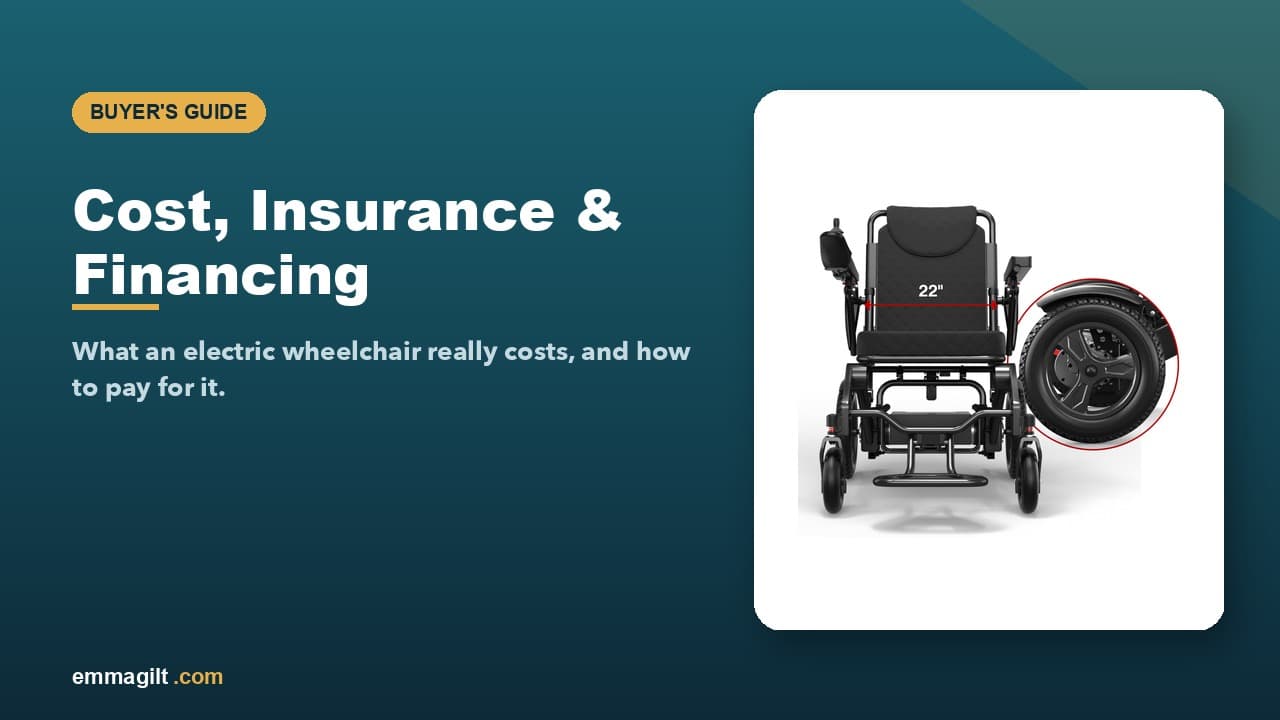
What an Electric Wheelchair Actually Costs in 2026
Understanding electric wheelchair cost and insurance is where most buyers get stuck - not on which chair to pick, but on how to pay for it and whether anyone else will help. The honest answer is more encouraging than the sticker price suggests, but it is also more nuanced than “insurance covers it.” This guide lays out what folding power chairs actually cost in 2026, the real story on Medicare and private insurance, and the financing and discounts that bring a four-figure purchase within reach.
We will be straight about the tradeoffs throughout, and use Kerdom’s lineup and policies as a concrete example, because direct-to-consumer brands change the cost math in ways the traditional medical-supply route does not.
What an Electric Wheelchair Actually Costs in 2026
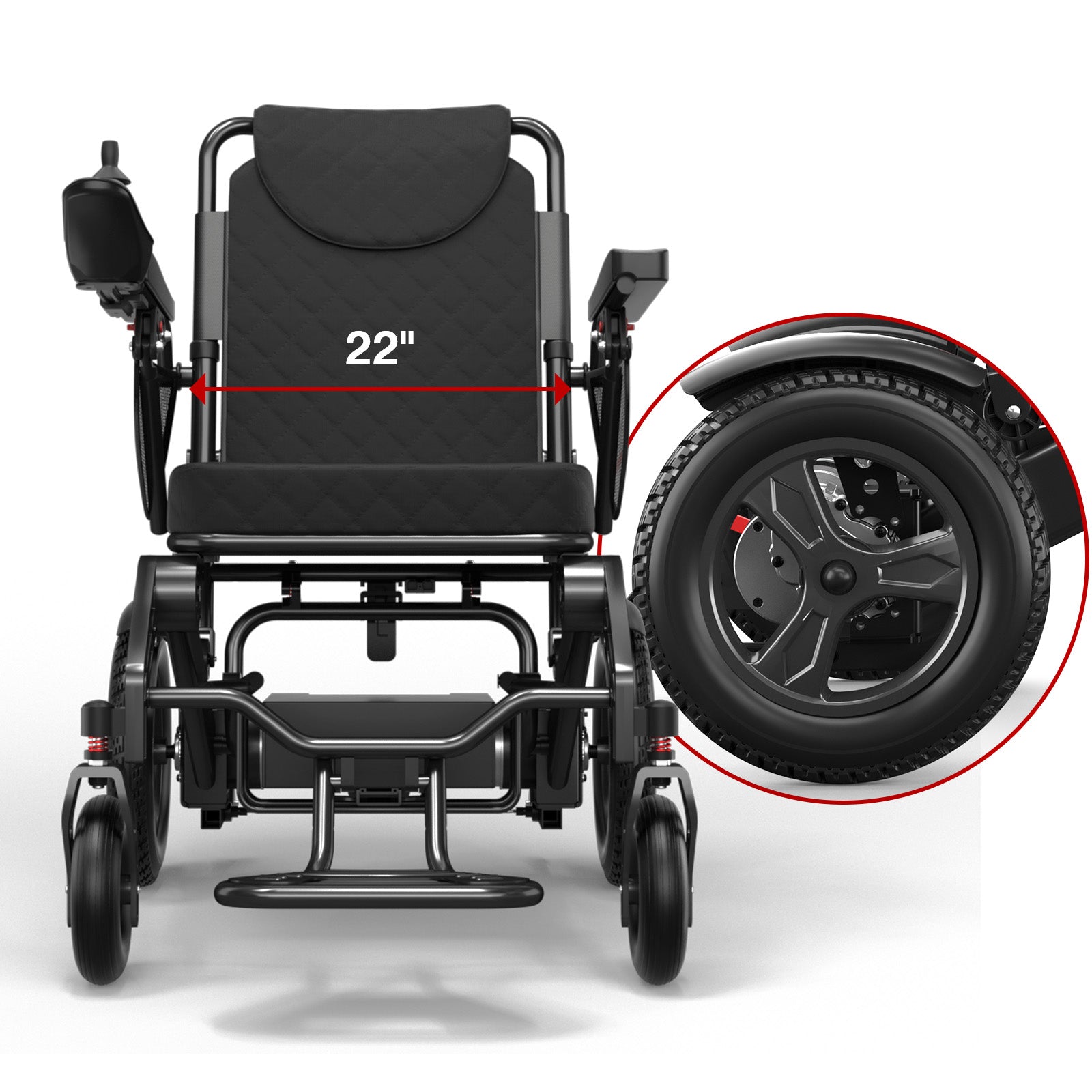
Folding electric wheelchairs fall into clear price bands, and knowing them keeps you from overpaying:
| Tier | Typical price | What you get |
|---|---|---|
| Budget folding | $700-$900 | Aluminum frame, 33-40 lbs, 12-15 mi range, 300-350 lb capacity |
| Mid-range | $1,000-$1,500 | Lighter or carbon frame, longer range, roomier seat, extras like remotes |
| Ultra-light / premium | $1,500-$2,500 | Carbon fiber under 30 lbs, dual battery options, top portability |
| Heavy-duty all-terrain | $900-$1,800 | 400 lb+ capacity, bigger motors and tires, folds but heavier |
Two things skew these numbers. First, traditional medical-supply pricing runs far higher than direct-to-consumer for comparable hardware, because it is built around insurance billing and dealer margins. Second, the headline price is not the real cost - a chair with a 1-year warranty that fails in year two is more expensive than a slightly dearer chair backed for five. For reference, Kerdom’s folding range runs from the $769.99 DX04 to the $1,769.99 DX08 - mid-market hardware at budget-tier prices, with a 5-year warranty that materially lowers the lifetime cost. Our full buying guide maps each model to a use case.
Medicare and Insurance: The Honest Picture
Here is the part most articles tiptoe around. Medicare and most private insurers can cover a power wheelchair - but rarely the lightweight folding chair you are probably shopping for.
Medicare Part B covers power mobility devices as durable medical equipment (DME) only when:
- A doctor documents a medical need for in-home mobility (you cannot perform daily activities with a cane, walker, or manual chair), and
- The chair is supplied by a Medicare-enrolled DME provider, and
- The device meets Medicare’s DME criteria - which the inexpensive, travel-focused folding chairs sold direct-to-consumer generally do not meet.
When Medicare does cover a chair, it typically pays 80% after your deductible, you owe the 20% coinsurance, and you usually receive a heavier, non-folding “Group 2” power chair chosen for in-home use - not a 30-pound carbon travel chair. Private insurance broadly mirrors this DME model with pre-authorization and a prescription.
The practical takeaway: if you have a documented medical need and want maximum coverage, work with a DME supplier and your doctor, and expect a clinical in-home chair plus a 20% bill. If you want a lightweight folding chair for travel and active daily life, you are almost always buying it out of pocket - which is exactly why the direct-to-consumer price and financing route matters so much. Neither path is wrong; they serve different needs. Be clear about which you are on before you shop, and don’t assume insurance will reimburse a consumer-direct purchase - confirm in writing first.
Tax-Advantaged Accounts: HSA and FSA
If insurance won’t buy the chair, your own pre-tax dollars often can. A power wheelchair is a qualified medical expense, which means an HSA (Health Savings Account) or FSA (Flexible Spending Account) can usually be used to pay for it - effectively giving you a discount equal to your tax rate.
The practical steps: get a brief letter of medical necessity from your doctor, keep the itemized receipt, and pay with your HSA/FSA card or reimburse yourself. Always confirm eligibility with your plan administrator first, since rules vary - but for many buyers, an HSA/FSA is the single biggest “discount” available on an out-of-pocket chair, and it is widely overlooked.
Financing: Spreading the Cost
When the chair is an out-of-pocket buy, financing turns a four-figure number into a manageable monthly one. The common option on direct-to-consumer mobility sites is buy-now-pay-later through Klarna, which splits the purchase into installments at checkout - Kerdom offers exactly this, so a $769-$1,769 chair becomes a predictable monthly payment rather than a lump sum.
Used sensibly, this is a genuine help: it lets you get the right chair now instead of settling for a cheaper one, and many plans carry low or no interest over a short term. The discipline is the same as any installment plan - read the term and the interest, and only commit to a payment you can comfortably sustain.
Discounts That Lower the Bill
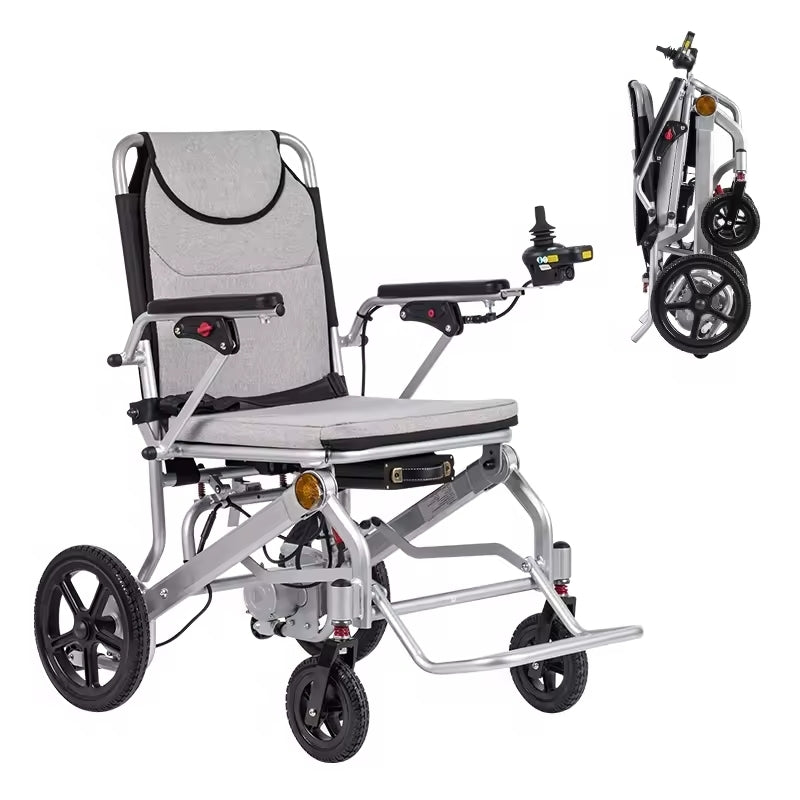
Before you pay full price, check for these - they stack with financing:
- Military and first-responder discounts. Many mobility brands, Kerdom included, run a dedicated program for active military, veterans, and first responders. If you qualify, it is one of the largest direct discounts available - always ask before checkout.
- Seasonal sales. Mobility brands run real promotions around major sale events; timing a non-urgent purchase to one can save meaningfully.
- Free shipping. On a heavy item this is a real saving - confirm it is included rather than added at checkout (Kerdom ships free).
- Return windows as insurance. A generous return policy (Kerdom’s is 60 days) lets you actually test the chair at home risk-free, which protects you from the most expensive mistake of all: buying the wrong chair.
Frequently Asked Questions
Does Medicare cover an electric wheelchair?
Medicare Part B can cover a power wheelchair as durable medical equipment when a doctor documents an in-home medical need and a Medicare-enrolled supplier provides it - paying 80% after your deductible. But it typically covers a heavier clinical chair, not the lightweight folding travel chairs sold direct-to-consumer, which are usually out-of-pocket purchases.
Can I use my HSA or FSA to buy an electric wheelchair?
Usually yes. A power wheelchair is a qualified medical expense, so HSA or FSA funds can typically pay for it - effectively a discount equal to your tax rate. Get a letter of medical necessity, keep the receipt, and confirm with your plan administrator.
How much does a folding electric wheelchair cost in 2026?
Most active buyers spend between $770 and $1,800. Budget folding chairs start around $700-$900, mid-range and carbon models run $1,000-$1,800, and premium ultra-light chairs reach $2,500.
Can I finance an electric wheelchair?
Yes. Many direct-to-consumer brands, including Kerdom, offer Klarna installments at checkout, splitting the cost into manageable monthly payments - often at low or no interest over a short term.
Are there discounts for veterans or military?
Yes. Many mobility brands run dedicated military and first-responder programs, often one of the largest direct discounts available. Always ask before checkout, and stack it with free shipping and seasonal sales.
Putting the Cost Together
For a lightweight folding chair, a realistic 2026 budget looks like this:
- Start with the right tier - most active buyers land in the $770-$1,800 band.
- Check insurance only if you have a documented in-home medical need - and expect a clinical chair plus 20% if so.
- Use HSA/FSA dollars if you have them - the easiest real discount.
- Apply any military/first-responder discount and time a sale if you can.
- Finance the balance through a plan like Klarna if a lump sum is hard.
- Weigh warranty and returns into the price - five years of coverage and a 60-day window are part of the cost, not extras.
Run through that order and a chair that looked like an intimidating lump sum becomes a planned, affordable purchase - often for far less out of pocket than the sticker first suggested. The buyers who overpay are usually the ones who never asked about HSA dollars, a military discount, or financing; the ones who pay least simply worked the list above before they reached the checkout.
See current Kerdom pricing, financing, and discount options on the official site →
Still choosing a model? Our lightweight foldable electric wheelchair buying guide and Kerdom wheelchair comparison break down which chair fits your needs and budget.
Recommended for you
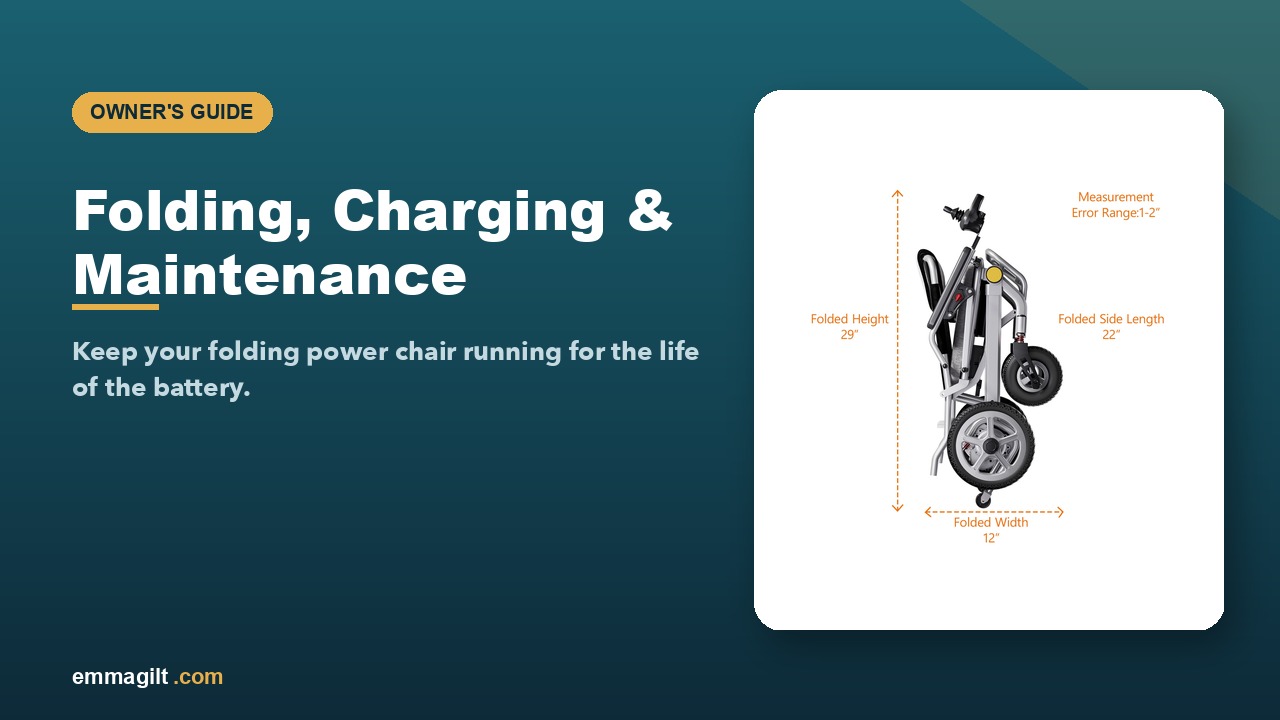 Foldable Electric Wheelchair Maintenance: Folding, Charging & Care (2026)
 How to Travel by Plane With an Electric Wheelchair (2026 Guide)
 Power Wheelchair vs Mobility Scooter: Which Is Right for You? (2026)
 Kerdom Wheelchair Comparison: DX04 vs DX07 vs DX08 (2026)
 Kerdom DX05 Review: The 400 lb All-Terrain Folding Power Chair (2026)
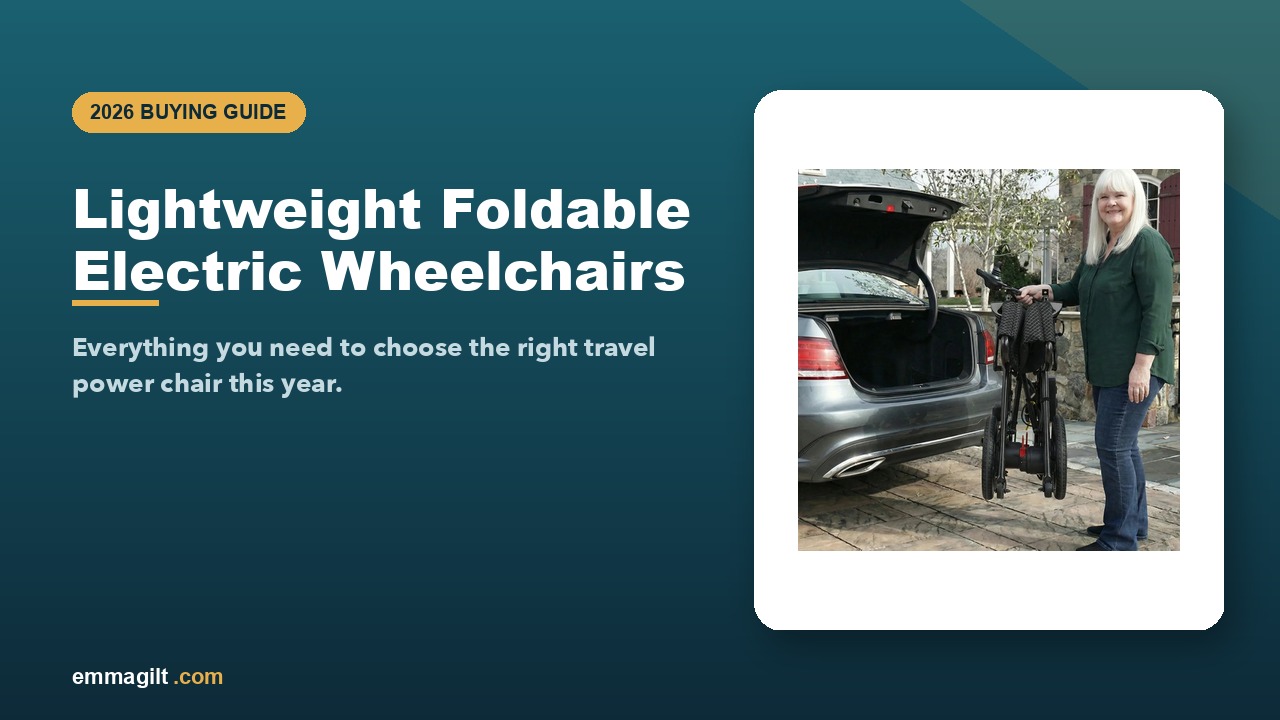 Lightweight Foldable Electric Wheelchairs: The Complete 2026 Buying Guide