Why Shezza Socks Are the Best for Comfort and Blister Prevention
Shezza socks are specifically designed to provide maximum comfort while preventing blisters. The unique materials used in Shezza ensure that […]
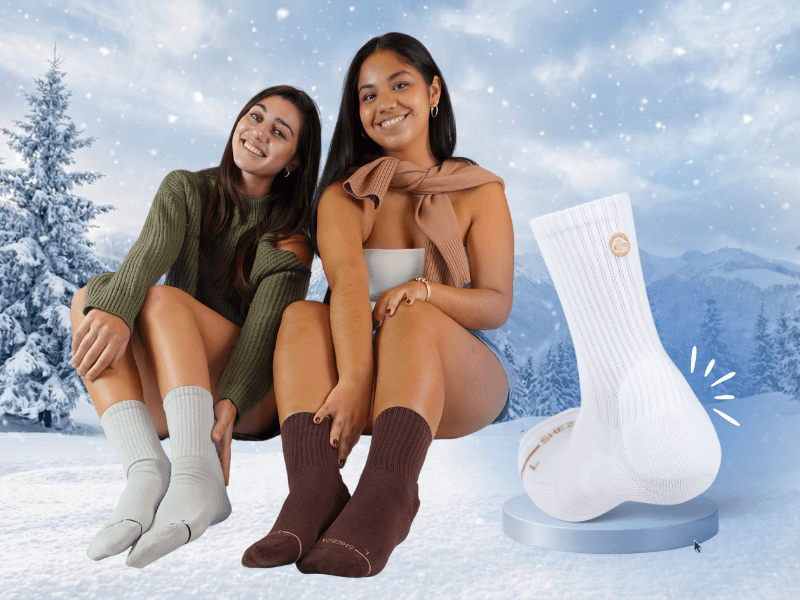
Shezza socks are specifically designed to provide maximum comfort while preventing blisters. The unique materials used in Shezza ensure that your feet stay dry and comfortable, reducing friction that often leads to blister formation. Whether you’re running, hiking, or simply enjoying a day on your feet, Shezza socks offer the support and protection you need.
If you’ve ever come home from a walk, a long work shift, or a workout and thought, “Why do my feet feel like they’ve been through a war?”—you’re not alone.
Blisters, heel rubbing, hot spots, and that annoying “my socks are fighting my shoes” feeling are way more common than people admit. And the worst part? Most of the time, it’s not even your shoes.
It’s your socks.
That’s exactly why Shezza Socks caught my attention. The promise is simple, but honestly pretty bold: Shezza aims to revolutionize your sock experience and keep your feet comfortable no matter what activity you’re doing.
Feel the difference with Shezza Socks. Say goodbye to painful blisters, heel rubbing, uncomfortable shoes.
So in this article, I’m going to break down why Shezza Socks are such a strong choice for comfort and blister prevention—using real-world logic: what causes blisters, what most socks get wrong, and what a blister-preventing sock actually needs to do.
The real reason you get blisters (it’s not just “bad shoes”)
Most people think blisters happen because shoes are too tight.
That can be true. But the more accurate answer is this:
Blisters happen because of friction + heat + moisture + movement
Here’s the basic chain reaction:
- Your foot moves slightly in the shoe (even a “good fit” shoe has micro-movement).
- That creates friction between skin, sock, and inner shoe lining.
- Friction creates heat.
- Add moisture (sweat) and your skin softens, making it easier to damage.
- The upper layer of your skin separates → fluid fills the gap → blister.
So if you want to stop blisters, you need to break that cycle.
Shezza Socks are designed to interrupt that friction/heat/moisture loop—and that’s why they’re such a strong choice for people who keep getting heel rubbing, hot spots, and painful blisters.
The problem with most socks (even “decent” ones)

Let’s be honest: most socks are built for one thing—covering your foot.
But covering your foot isn’t the same as protecting it.
Here’s what typical socks get wrong:
- They slip down (especially around the heel), which creates rubbing.
- They bunch up inside your shoe, creating pressure points.
- They hold sweat instead of moving it away, making your skin softer and more blister-prone.
- They have rough seams in the toe area that irritate over time.
- They’re too thin in high-friction zones (heel, ball of foot) and too thick where you don’t need bulk.
That’s why you can buy great shoes and still get blisters.
Because the sock is the layer that’s actually touching your skin for hours.
What Shezza Socks do differently (and why it matters)
When a sock is truly “comfort + blister prevention” focused, it usually nails a few core things:
- Stable fit that doesn’t slide
- Reduced friction at the heel and pressure points
- Moisture management
- Comfortable cushioning without bulk
- Smooth internal feel (especially seams)
Shezza Socks stand out because they’re positioned specifically around those outcomes:
goodbye to painful blisters, heel rubbing, uncomfortable shoes.
Let’s unpack the “why” behind that claim.
1) A secure heel fit = less rubbing = fewer blisters
Heel blisters are one of the most common types, and they’re also one of the most preventable.
Why heel blisters happen:
- the heel is a high-motion area
- it repeatedly lifts and settles as you walk
- if your sock slips or your shoe lining is slightly rough, friction builds fast
A sock that stays put at the heel is a big deal. The more stable the sock, the less “skin tugging” and micro-rubbing happens.
Shezza Socks are built around the idea of eliminating heel rubbing, which implies a fit and structure that supports the heel area rather than letting it slide around.
If you’re someone who gets that one spot on the back of your heel every time you wear sneakers, this is exactly the kind of issue a better sock can fix.
2) Better comfort can make “uncomfortable shoes” feel wearable again
This might sound dramatic, but it’s real: a comfortable sock can change how a shoe feels.
A lot of shoes are uncomfortable not because they’re badly made, but because:
- the inside lining isn’t friendly to bare skin friction
- the shoe is stiff in certain zones
- the footbed creates pressure points
- your foot swells slightly throughout the day
A sock that adds the right kind of comfort can reduce the “sharpness” of those issues.
Shezza Socks position themselves as the solution to uncomfortable shoes, and that matters because many people don’t want to replace their entire shoe collection. They just want their favorite shoes to stop hurting.
Socks are the most affordable, quickest upgrade you can make.

3) Moisture control is blister prevention (not just “staying dry”)
Sweat is normal. The problem is what happens when sweat sits on your skin.
Wet skin:
- softens faster
- becomes more fragile
- breaks down with less friction
So moisture control isn’t about comfort alone—it’s about prevention.
A sock designed for blister prevention typically prioritizes:
- fabric that doesn’t feel swampy
- breathability
- sweat movement away from the skin
Even if you don’t feel “soaked,” your feet can build moisture over hours—especially in closed shoes.
If Shezza Socks are helping people say goodbye to blisters, moisture management is usually part of what makes that possible.
4) Comfort isn’t fluff—it’s engineering (pressure points matter)
Foot discomfort often comes from small things adding up:
- a tight band around the arch
- too much compression at the ankle
- a seam pressing on the toe
- uneven thickness under the ball of the foot
- fabric that feels “scratchy” after a few hours
A great comfort sock feels like it disappears.
You stop noticing it. You stop adjusting it. You stop thinking about your feet.
That’s the standard Shezza Socks are aiming for: the “feel the difference” effect.
And in real life, that usually shows up as:
- fewer hot spots
- less end-of-day foot fatigue
- less “I need to take my shoes off immediately” feeling
- fewer painful friction zones
5) Socks can prevent blisters even when your shoes are the problem
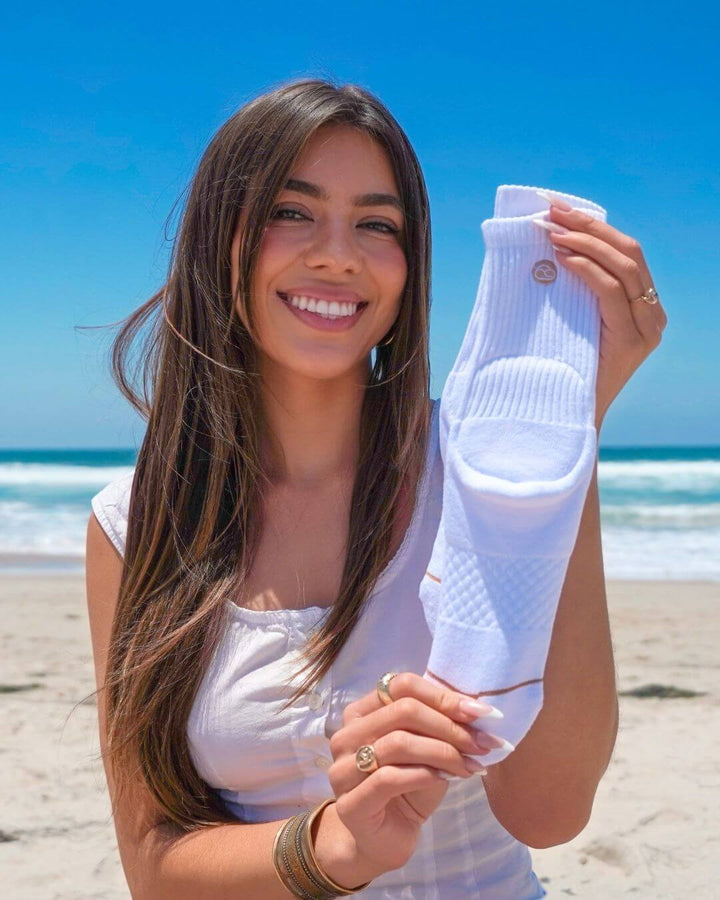
This is important, because people often think:“My shoes are causing it, socks can’t help.”
But socks can help—especially when:
- the shoe lining is rough
- the heel counter is stiff
- you’re breaking in new shoes
- you’re wearing shoes for longer than usual (travel days, long shifts, events)
- your feet swell as the day goes on
In those cases, your shoes might not be “wrong.” They just need a better interface between shoe and skin.
That interface is your sock.
Shezza Socks are built around that interface—making them an especially good choice for those “I love these shoes but they destroy my feet” situations.
Who Shezza Socks are best for (in real life)
Some products are “for everyone,” but in practice, certain people benefit way more.
Shezza Socks are especially useful if you:
- get heel blisters often (the most common complaint)
- deal with hot spots on long walks
- work on your feet all day (retail, warehouse, healthcare, hospitality)
- wear sneakers, trainers, boots, or school shoes for long hours
- travel a lot and want comfortable walking days
- are breaking in new shoes and want protection
- have shoes that feel fine at first but turn painful after a few hours
If any of that sounds like you, the promise of “goodbye to painful blisters, heel rubbing, uncomfortable shoes” isn’t marketing fluff—it’s exactly the pain you’re trying to solve.
Why “blister prevention” is really about consistency
Here’s the frustrating truth:
A lot of people try to solve blisters with random hacks:
- band-aids (fall off)
- blister patches (expensive)
- powders (messy)
- lubricants (helpful but not always practical)
- double-socking (hot and bulky)
Those things can work. But they’re often reactionary.
The best solution is consistent prevention, and socks are the easiest prevention tool because you wear them anyway.
If Shezza Socks become your default pair, you’re preventing problems before they start, not treating them after your skin is already damaged.
How to get the most comfort + blister protection out of Shezza Socks
Even with great socks, a few small habits make a huge difference.
1) Choose the right shoe fit (socks can’t fix a shoe that’s wildly wrong)
If your toes are cramped or your heel is sliding dramatically, address the shoe fit too.
2) Wear the socks early (don’t wait for a blister day)
Blisters build over time. Prevention works best from the first step.
3) Replace worn-out pairs
Old socks lose structure and start slipping and thinning. If you’re serious about comfort, rotate in fresh pairs.
4) Keep your shoes’ interiors clean
Sand, grit, and rough debris create friction. Quick wipe-outs help.
Common questions people have before buying comfort socks
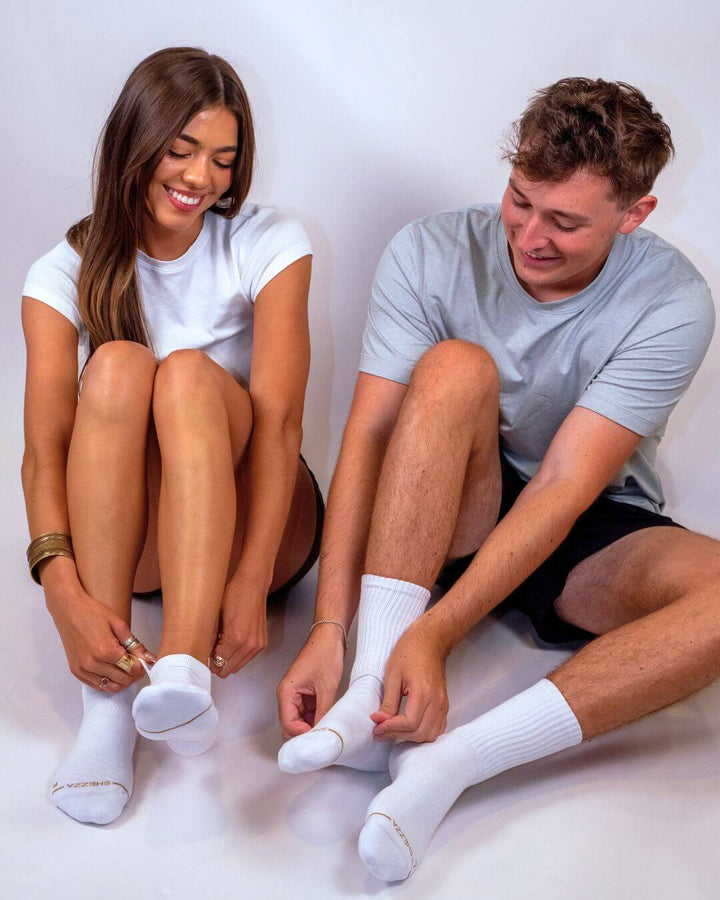
“Are blister-prevention socks only for runners?”
No. In fact, many non-runners get more blisters because they’re wearing everyday shoes for long hours without thinking about foot friction.
“Will socks really make that big of a difference?”
If your main issue is heel rubbing, hot spots, or mild slipping—yes. Socks are the layer your skin interacts with all day.
“What if my shoes are already uncomfortable?”
That’s literally one of the main reasons to upgrade your socks. A better sock can make borderline shoes feel okay again.
“What if I already tried ‘good’ socks and still got blisters?”
Then it’s usually one of these:
- the sock is still slipping at the heel
- the shoe fit is off (often slightly big)
- moisture is building up
- friction points aren’t protected
- the sock fabric/seams are irritating your skin
The whole point of Shezza Socks is to address the real causes: blisters + heel rubbing + discomfort.
The “feel the difference” part (what that usually looks like)
When people say a sock “feels different,” they often mean very specific things:
- It doesn’t slide down into the shoe.
- It doesn’t twist around the foot.
- It doesn’t bunch under the arch.
- The heel feels protected.
- You don’t notice a seam pressing on your toes.
- You can wear the same shoes longer without thinking about it.
That’s the kind of practical comfort people actually care about—especially if you’ve dealt with repeat blisters.
Shopping Now
If you’re tired of heel rubbing, painful blisters, and shoes that should be comfortable but aren’t, this is one of the simplest upgrades you can make.
Feel the difference with Shezza Socks. Say goodbye to painful blisters, heel rubbing, uncomfortable shoes.
Let’s wrap up (the short version)
Blisters are not a mystery. They’re friction + heat + moisture + movement.
Most socks don’t do much to stop that, which is why people keep getting heel rubbing and hot spots even in good shoes.
Shezza Socks are the best for comfort and blister prevention because they’re designed around the problem people actually have: pain from rubbing, discomfort over long wear, and blisters that show up again and again.
If you want a practical solution that fits into your daily routine (no messy creams, no constant band-aids), start with the layer that touches your skin first.
Start with your socks.
READ MORE: emmagilt.com
Recommended for you
 Elevate Styles Review: Is This the Most Trusted Place to Buy Wigs Online?
- Elevate Styles Guide: Discover the Stunning Truth About Synthetic vs. Human Hair Wigs
- OcuraLife Review: Is the 6-in-1 Plasma Pen Worth It for At-Home Skin Imperfection Care?
 SISSEL Foam Roller: Welche Härte passt zu dir?
 Honey Acres: The Ultimate Guide to Kosher Certified, Gluten-Free, and Big 9 Allergen-Free Treats
 Kyor OUTGLOW Review: The Effortless Skin Supplement That Actually Transforms Your Glow