Vermont Teddy Bear Care Tips: Keep It Like New
If you’ve ever opened a box from Vermont Teddy Bear, you know the feeling. The fur looks perfect. The shape […]
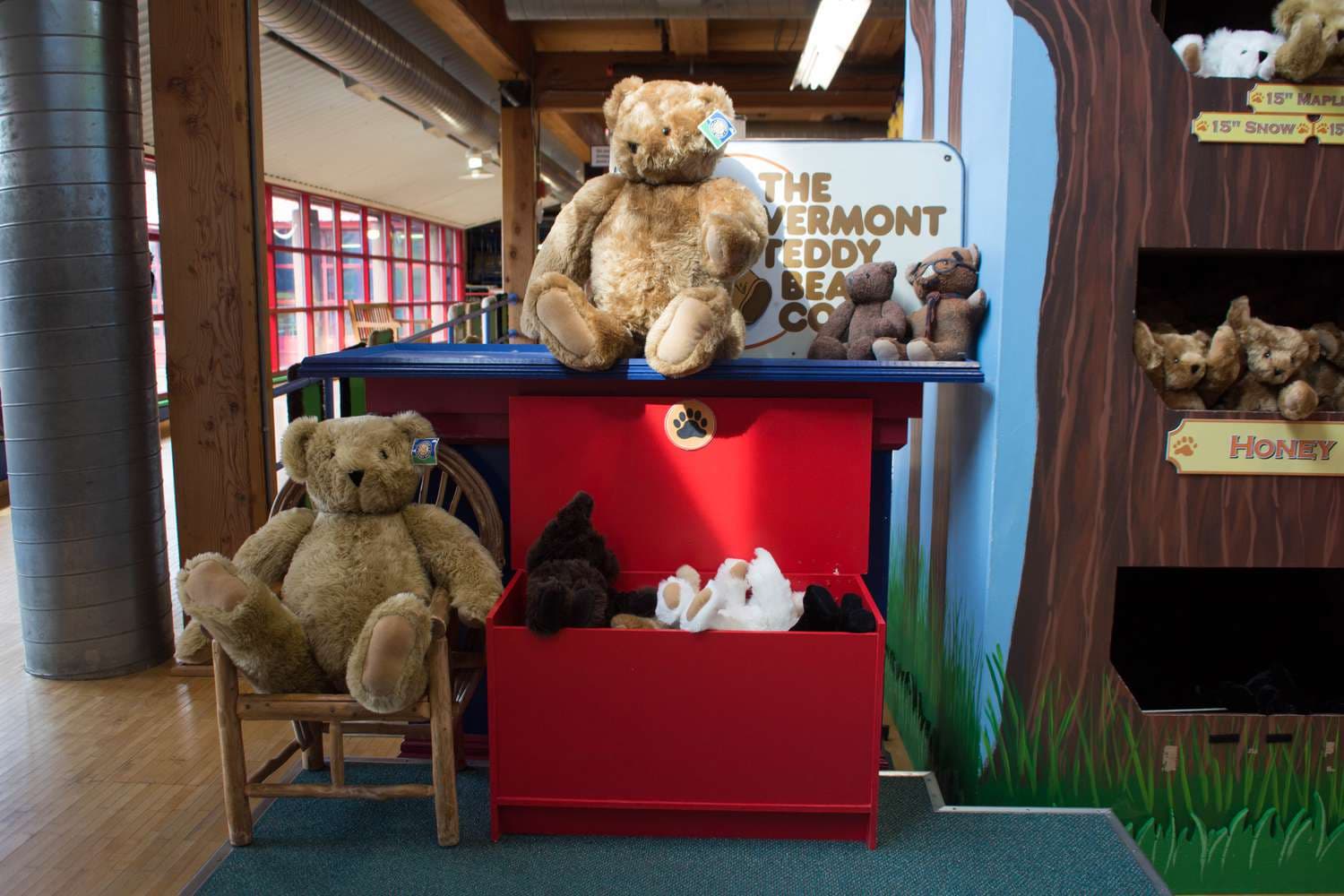
If you’ve ever opened a box from Vermont Teddy Bear, you know the feeling. The fur looks perfect. The shape is just right. And it has that brand new, fresh, cozy vibe that you kind of don’t want to ruin by, you know, actually living with it.
But of course… it’s a teddy bear. It gets hugged. It gets dragged to the couch. It ends up face down on the floor at least once. Sometimes it becomes a pillow. Sometimes it becomes a therapist.
So yeah. Eventually you’ll want to clean it, fluff it back up, and keep it looking like the day it showed up.
This guide is basically what I’d tell a friend who texted, “Help. I think I messed up my bear.” We’ll go through the gentle stuff first, then deeper cleaning, then how to store it, protect it, and fix the little problems that pop up over time.
Before You Do Anything, Check the Tag
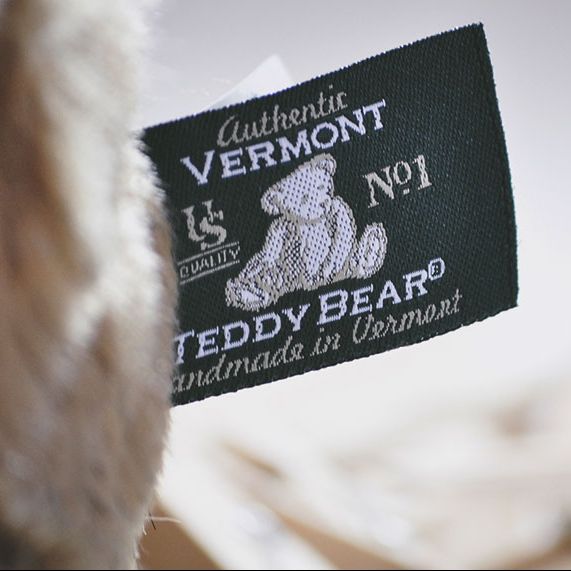
Start here. Always.
Vermont Teddy Bear products can have different materials depending on the bear, outfit, accessories, and any added features. Some have clothing. Some have special fabrics. Some have things you really do not want to soak.
So flip the bear over, find the care tag, and read it. If it says surface clean only, take that seriously. If it gives washing instructions, follow them over whatever random advice you see online.
Also, quick check:
- Is there a voice box?
- A scent pouch?
- Accessories glued on?
- A delicate outfit that could bleed color?
If yes, slow down and do the cautious route.
The Everyday Routine That Keeps It Looking New
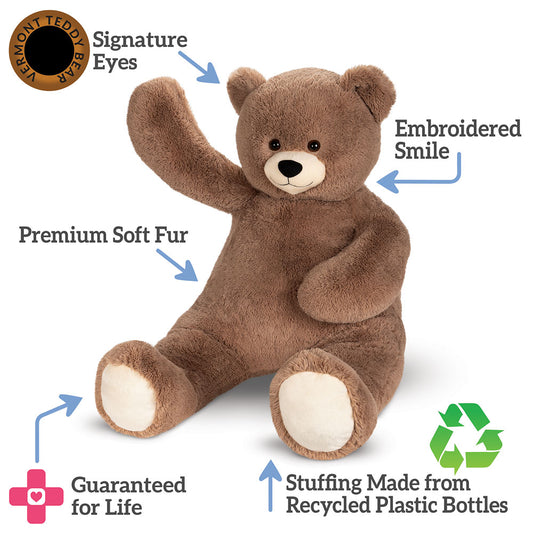
Most “my teddy bear looks old” issues are really just… dust, oils from hands, and flattened fur. That’s it. You can prevent a lot of wear by doing a light refresh regularly instead of waiting until it’s visibly grimy.
1. Shake it out and lint roll it
Every couple weeks (or whenever it starts to look less bright), give it a gentle shake outside or over a trash can. Then use a lint roller to pick up hair, fuzz, crumbs, whatever it has collected from being loved.
If you don’t have a lint roller, wide packing tape wrapped around your hand works in a pinch. Not classy, but effective.
2. Brush the fur the right way
This is the simplest way to bring the “new bear” look back.
Use a soft brush, like:
- A baby hair brush
- A clean, soft pet slicker brush (use very lightly)
- A wide tooth comb for longer plush fur
Brush gently in the direction the fur naturally lays. Don’t yank. Don’t scrub in circles. If you hit a matted spot, work from the outer edges inward and loosen it slowly.
Do this and you’ll be surprised how much better the bear looks without any washing at all.
3. Keep food away (yes, even “just a little”)
I know. It’s cute. Teddy bears at tea parties. Teddy bears on the bed during snacks.
But oils and sugar are the stuff that makes fur look dingy and attracts more dirt later. If food happens, handle it immediately. Waiting is what turns a tiny smear into a permanent “why is this sticky” situation.
Surface Cleaning: The Safest Way for Most Bears
If you want the lowest risk option, surface cleaning is it. It’s also the best choice if you are not 100 percent sure about machine washing.
What you need
- Mild soap (gentle laundry detergent or a tiny bit of dish soap)
- White cloth or microfiber towel
- Bowl of cool water
- Another clean towel for drying
Step by step surface clean
- Mix a small amount of soap into cool water. Keep it light. Too much soap is hard to rinse out and can make fur stiff.
- Dampen the cloth. Not soaking. Just damp.
- Blot the dirty areas. Don’t rub aggressively. Blot, dab, gentle strokes.
- Rinse the cloth with clean water and wipe again to remove soap residue.
- Pat dry with a towel. Press, lift, repeat.
- Air dry completely. Put it in a well ventilated room, away from direct heat and sunlight.
Once it’s dry, brush the fur again to restore softness and shape.
For small stains, spot clean like this
If you have one small spot (a smudge on the paw, a little mark on the nose area), you can do a micro version of the above. Just don’t saturate the stuffing. The goal is to clean the surface fibers, not soak the bear.
Can You Machine Wash a Vermont Teddy Bear?
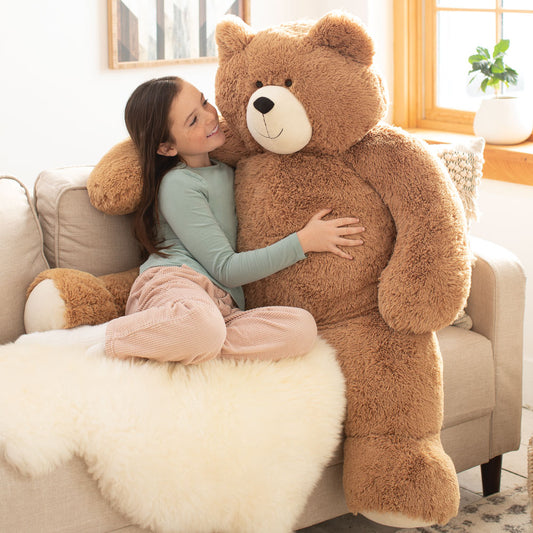
Sometimes yes. Sometimes no. The tag is the final answer.
But if the tag allows it, here’s the safer approach that reduces risk of damage.
Machine wash checklist (do this first)
- Remove clothing and wash it separately if possible
- Check for loose seams, loose eyes, or any weak spots
- Remove anything that should not get wet (voice box, etc)
- Put the bear in a mesh laundry bag or a pillowcase tied closed
The settings that matter
- Cold water
- Gentle or delicate cycle
- Mild detergent
- No bleach
- No fabric softener (it can coat fibers and change the feel)
Fabric softener is one of those things people do because they want it soft. But plush fabric is not a towel. Softener can make it feel weird, clumpy, or less fluffy long term.
Drying after a machine wash
This is where people accidentally ruin plush.
- Avoid high heat.
- Ideally air dry.
- If you must use a dryer, use no heat or air fluff only, and keep it short. Check frequently.
High heat can warp synthetic fibers and can damage glue and plastic parts. It can also mess with the shape and stuffing distribution.
Air drying takes longer, yes. But it keeps the bear looking normal.
A practical approach: towel dry first, then air dry. Rotate it every few hours so all sides dry evenly.
How to Dry It Faster Without Wrecking It
A bear that stays damp too long can develop a musty smell. So you do want it to dry thoroughly, just not with intense heat.
Try this:
- Wrap in a clean towel and press to absorb moisture
- Set it on a dry towel in a ventilated room
- Point a fan toward it (not directly blasting one spot from two inches away, just gentle airflow)
- Rotate and fluff the bear periodically as it dries
Do not put it on a radiator. Do not use a hair dryer on hot. Do not leave it in direct sun for hours. Sun can fade fur over time.
Fixing Flattened Fur and That “Sad Bear” Look
Even when a bear is clean, it can look older because the fur is packed down and the stuffing has shifted.
Fluffing the fur
Once the bear is fully dry:
- Brush gently
- Use your fingers to lift and separate fur that looks clumped
- For stubborn areas, a very light mist of water on a cloth and a quick brush can help, but don’t soak
Redistributing stuffing
This is oddly satisfying.
Hold the bear and gently knead it. Move stuffing back into the limbs, cheeks, belly. Pat and shape it like you are sculpting a pillow.
If the bear has been hugged a lot, you might notice the head or belly has a flatter area. Spend a few minutes reshaping. It really works.
Odor Removal Without Washing
Sometimes the bear isn’t dirty, it just smells like… life. Perfume. Smoke. Food. A closet. A house. Whatever.
You can freshen it without washing.
Option 1: Baking soda (dry method)
- Put the bear in a large bag or bin
- Sprinkle baking soda lightly over the fur (don’t cake it on)
- Close the bag/bin and let it sit for a few hours, even overnight
- Remove and brush it out thoroughly
Be careful around eyes, nose, or any areas where powder could get stuck.
Option 2: Air it out
Put it in a dry, shaded place with good airflow for a day. A covered porch, near an open window, near a fan. This helps more than people expect.
Avoid leaving it outside where it can get damp or attract dust and pollen.
Option 3: Fabric refresher, used carefully
If you use a spray, don’t soak. Spray the air above the bear and let a light mist settle, or spray a cloth and wipe. Test on a hidden spot first.
Some sprays can leave residue, and strong scents can be hard to remove if you overdo it.
Cleaning Outfits and Accessories
A lot of Vermont Teddy Bear charm is the outfit. And the outfit often gets dirtier than the bear itself.
- Wash removable clothing according to its tag
- If it’s delicate, hand wash in cool water and air dry flat
- Avoid dye transfer: wash dark or bright outfits separately the first time
If the bear wears accessories (bows, hats, shoes), clean them separately. Don’t assume they can handle water.
What About the Eyes and Nose?
Most plush bears have plastic or embroidered features. Treat these areas gently.
- Wipe plastic eyes with a slightly damp cloth
- Dry immediately so water spots don’t linger
- For embroidered noses, avoid scrubbing hard because you can fuzz up the thread
If there is any glued component, avoid soaking that area entirely.
When to Avoid Washing Completely
There are a few situations where it’s smarter not to wash and instead stick to surface cleaning or professional help.
- The bear is very old or sentimental and you’re nervous
- It has electronics (voice, lights, batteries)
- The tag says surface clean only
- The fur is specialty material that could change texture
- There is damage already, like loose seams
In those cases, do surface cleaning, brushing, and odor removal. If it still needs more, consider a professional cleaner who has experience with stuffed animals, or at minimum, a careful hand wash with minimal water.
Storage Tips (This Is Where Bears Get Ruined)
Storage is the silent teddy bear killer. Damp basements, attic heat, vacuum bags that crush everything. A bear can go into storage fine and come out smelling weird, flattened, and faded.
Here’s the better way.
Store it clean and completely dry
Never store a bear even slightly damp. Not even a little. Musty odor and potential mildew is what happens next.
Use breathable containers
- Cotton pillowcase
- Storage bin with ventilation
- Acid free tissue paper in a box (for sentimental collectors)
Avoid airtight plastic bags long term unless you are sure there is no moisture. Even then, bears can end up with that stale plastic smell.
Keep it out of sun and away from heat
Direct sunlight fades fabric. High heat can change synthetic fur texture over time. Closet shelf beats window ledge.
Don’t stack heavy stuff on it
This creates permanent flattening. If you must stack, keep it light on top and rotate occasionally.
Quick Repairs: Seams, Loose Threads, And Minor Stuff
If you notice a seam starting to open, handle it early. A small opening becomes a bigger one fast, especially if the bear is still being hugged daily.
Tiny seam opening
If you can sew at all, a simple ladder stitch (also called an invisible stitch) is perfect for plush. Match thread color as closely as you can.
If sewing is not your thing, even a small safety pin temporarily is better than ignoring it, just keep it away from kids and remove it as soon as you can do a proper repair.
Loose thread or fuzzing
Trim loose threads carefully with small scissors. Don’t pull them. Pulling can unravel stitching.
Keeping It Like New, Without Turning It Into a Museum Piece
This is the balance.
You bought a teddy bear to enjoy it. Not to keep it untouched like it’s in a display case. But you also don’t want it to look rough after six months.
So here’s the realistic routine that works for most people:
- Lint roll and brush monthly
- Spot clean as soon as something happens
- Do a deeper clean only when needed
- Keep it off the floor if you have pets that shed a lot
- Store it properly if it’s going away for a season
And if it’s a truly sentimental bear, like the kind you’d panic over if anything happened, do less. Surface clean, brush, air out. Keep it simple and low risk.
Final Thought
A Vermont Teddy Bear can stay soft, fluffy, and bright for years. It’s mostly about gentle habits and not overwashing it.
Brush it. Keep it dry. Clean small messes fast. Be cautious with heat. And store it like you actually want it to come back looking good.
That’s it. Not complicated. Just… consistent.
FAQs (Frequently Asked Questions)
How do I properly clean my Vermont Teddy Bear without damaging it?
Start by checking the care tag on your bear to see if it says ‘surface clean only’ or provides specific washing instructions. For most bears, surface cleaning is safest: use a mild soap mixed with cool water, dampen a white cloth, gently blot dirty areas without rubbing, rinse with a clean damp cloth to remove soap, then pat dry and air dry completely away from heat and sunlight. Finish by brushing the fur gently to restore softness and shape.
Can I machine wash my Vermont Teddy Bear?
Only if the care tag explicitly allows machine washing. If so, remove any clothing and accessories, check for loose parts, place the bear in a mesh laundry bag or pillowcase tied closed, and wash on a gentle or delicate cycle with cold water using mild detergent. Avoid bleach and fabric softeners. After washing, air dry if possible or use the dryer on no heat or air fluff setting for a short time while checking frequently to prevent damage.
What daily routine can help keep my teddy bear looking new?
Regularly shake your bear outside or over a trash can every couple of weeks to remove dust and debris. Use a lint roller or packing tape wrapped around your hand to pick up hair and fuzz. Brush the fur gently in the direction it naturally lays using a soft brush like a baby hair brush or pet slicker brush. Avoid food near your bear as oils and sugars can dull its fur; clean any spills immediately to prevent stains.
How do I handle small stains on my Vermont Teddy Bear?
For small spots like smudges or marks, perform spot cleaning by dampening a cloth with mild soapy cool water and gently blotting the stained area without saturating the bear’s stuffing. Rinse the cloth with clean water and blot again to remove soap residue, then pat dry with a towel and air dry completely before brushing the fur back into shape.
What precautions should I take before cleaning my Vermont Teddy Bear?
Always start by reading the care tag for specific instructions. Check if your bear has features like voice boxes, scent pouches, glued-on accessories, or delicate outfits that could be damaged by water. Remove clothing if washable separately. Avoid soaking parts that shouldn’t get wet and proceed cautiously with surface cleaning if unsure about machine washing.
How can I maintain my teddy bear’s fur softness after cleaning?
After cleaning—whether surface washing or machine washing—brush your bear’s fur gently in the natural direction using a soft brush such as a baby hair brush or wide-tooth comb for longer plush fur. Avoid fabric softeners during washing as they can coat fibers and make fur feel clumpy or less fluffy over time. Air drying away from direct heat helps preserve softness and shape.
Read more: emmagilt.com
Recommended for you
 Elevate Styles Review: Is This the Most Trusted Place to Buy Wigs Online?
- Elevate Styles Guide: Discover the Stunning Truth About Synthetic vs. Human Hair Wigs
- OcuraLife Review: Is the 6-in-1 Plasma Pen Worth It for At-Home Skin Imperfection Care?
 SISSEL Foam Roller: Welche Härte passt zu dir?
 Honey Acres: The Ultimate Guide to Kosher Certified, Gluten-Free, and Big 9 Allergen-Free Treats
 Kyor OUTGLOW Review: The Effortless Skin Supplement That Actually Transforms Your Glow