Stress-Relief Fashion: Why Mental Wellness Clothing Is the Next Big Trend
I used to think “comfort clothing” meant two categories. And honestly, for years that was just normal. We accepted it. […]
I used to think “comfort clothing” meant two categories.
- Stuff you wear at home when nobody is looking.
- Stuff you wear outside, but only after you’ve made peace with the fact you might be mildly uncomfortable all day.
And honestly, for years that was just normal. We accepted it. Tight waistbands. Scratchy seams. Shoes that look good but feel like a punishment. Fabrics that trap heat the second you get anxious. You just dealt with it because, well, that’s what “getting dressed” meant.
But lately something has shifted. Not in a loud way. More like a slow collective realization.
People are tired. Not just physically tired. Nervous system tired. Overstimulated. Living in a constant state of low grade alert. And when you’re already carrying that around, the last thing you want is clothing that adds friction.
That’s basically where stress relief fashion comes in. Mental wellness clothing. Calming clothing. Whatever name sticks.
It’s not a gimmick, at least not at its core. It’s clothing designed with the idea that what you wear can support your mental state, not fight it.
And yeah, it’s becoming the next big trend. For a bunch of reasons that make a lot of sense once you stop thinking of fashion as purely visual.
The quiet shift: from looking good to feeling safe
We’ve always had “power dressing” and “dress for success” and all that. That was the vibe for decades. Clothes as performance. Clothes as armor. Clothes as status.
Now the cultural mood is different.
The last few years basically forced people to pay attention to their mental health, whether they wanted to or not. More anxiety. More remote work. More screens. Less separation between rest and grind. And suddenly the everyday outfit became part of the mental load.
So instead of asking, “Does this look good?” a lot of people are asking:
- Does this feel good on my skin?
- Can I breathe in it?
- Can I sit for hours in it?
- Will it make me feel calmer or more irritated?
- Will it give me one less thing to fight with today?
That sounds simple. But it changes everything.
When fashion becomes about emotional comfort, the trend stops being about one specific silhouette and starts being about a new job description for clothing.
What even is “mental wellness clothing”?
Mental wellness clothing isn’t one thing. It’s more like a design approach.
The goal is to reduce stress triggers and support comfort, regulation, and confidence. Sometimes that means physical comfort. Sometimes sensory comfort. Sometimes emotional reassurance.
Some common elements:
- Soft, breathable fabrics that do not itch, scratch, or trap heat.
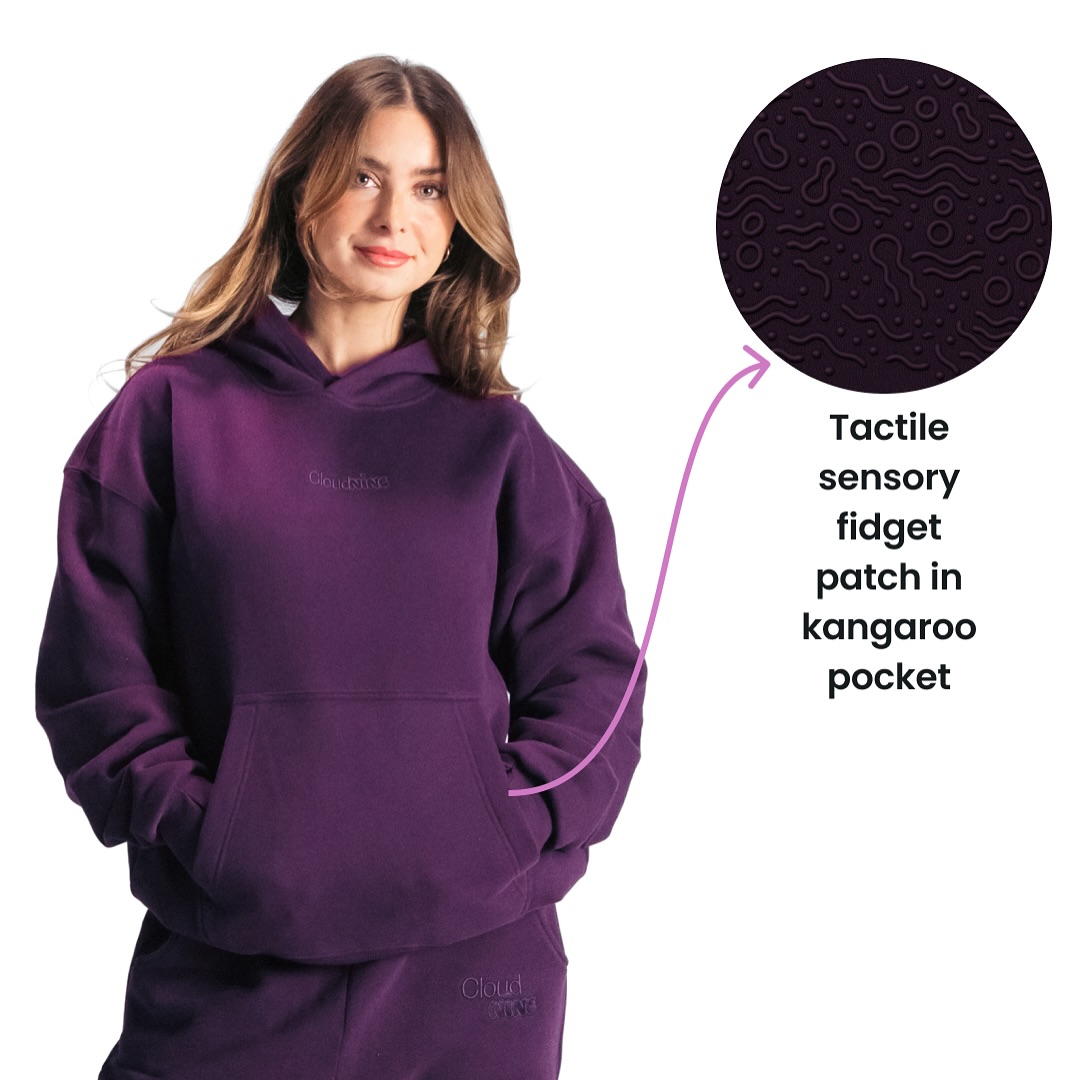
- Tagless designs or hidden tags so you are not constantly irritated.
- Seam placement that avoids rubbing or pressure points.
- Gentle compression in certain pieces for a grounding effect.
- Relaxed fits that do not restrict movement or circulation.
- Weighted features in niche products like hoodies or blankets worn as layers.
- Pockets and functionality that reduce the “where is my stuff” anxiety.
- Neutral and calming color palettes that lower visual noise.
- Adaptive features like magnetic closures, adjustable waistbands, easy layering.
Not every brand does all of this, and not every shopper wants all of this. But the overall direction is clear.
Clothes are starting to be built for the nervous system, not just the mirror.
Why this trend is blowing up right now
1. Stress is basically the default setting
A lot of people are walking around in a chronic stress state. Even when life is “fine.” Even on a normal Tuesday.
When stress is constant, you start noticing small things that add to it. Like a waistband that digs in. A collar that feels too tight. A fabric that makes you sweat. Shoes that pinch.
Stress relief fashion is appealing because it’s immediate. You do not need a 30 day program to benefit. You put it on and your body gets the message: less threat, more ease.
2. Sensory awareness is mainstream now
There’s been a huge rise in conversations about sensory needs. Not just for kids. Adults too.
People talk openly about being sensitive to noise, light, texture, and pressure. And clothing is a big one. If you are even mildly sensory sensitive, a bad fabric day can ruin your mood.
So brands are responding with softer materials, fewer internal irritants, and designs that do not feel like a constant distraction.
3. Workwear changed and never fully went back
Remote work and hybrid work blew up the old idea that you need stiff clothes to be taken seriously.
People discovered they can do excellent work while wearing soft pants and breathable layers. And now that they have tasted that freedom, a lot of them are not going back to rigid “office armor” full time.
Even in professional settings, the line has moved. Elevated comfort is now acceptable. Sometimes expected.
4. People want small, controllable forms of self care
When the world feels chaotic, you gravitate toward things you can control. Clothing is one of those.
It’s a daily ritual. You choose it. You feel it. It stays with you for hours. And it can either support you or drain you.
So mental wellness clothing becomes a kind of wearable self care. Not in a cheesy way. More like, “I am allowed to feel okay in my body today.”
5. Athleisure grew up
Athleisure was the gateway drug, basically.
Once people started wearing leggings, joggers, and performance fabrics everywhere, comfort became part of the fashion baseline. Now the next stage is comfort plus emotional regulation plus sensory friendliness.
Less “gym to brunch” and more “nervous system to life.”
The psychology behind why clothing affects stress
This isn’t magic. It’s body and brain basics.
Clothing is constant sensory input
Your skin is your largest sensory organ. Clothes sit on it all day. If something is tight, itchy, or restrictive, your body registers that as discomfort. Discomfort is a stress signal.
Even if it is subtle, it adds up. It’s like having a tiny alarm going off in the background.
When you remove those irritants, you reduce that background noise.
Enclothed cognition is real
There’s research around the idea that what you wear can influence how you feel and how you perform. It’s not just about how others perceive you. It’s about how you perceive yourself.
If you wear something that feels safe, comfortable, and aligned with your identity, you move differently. You breathe differently. You take up space differently.
That can lower anxiety. Or at least stop feeding it.
Gentle compression can feel grounding
Some people find that compression leggings, fitted undershirts, or snug hoodies help them feel more contained and calm. Not everyone likes this, but for those who do, it can be surprisingly effective.
It is similar to why weighted blankets work for some people. Pressure can be regulating.
What stress relief fashion actually looks like (in real life)
This trend is not just beige sweat sets. Although yes, those exist too.
Here are the categories where mental wellness clothing is showing up:
1. Elevated loungewear you can wear outside
Soft knits, structured joggers, wide leg pants with real waistbands that do not attack you. Matching sets that look intentional but feel like rest.
The key is: you do not feel sloppy, and you do not feel trapped.
2. Sensory friendly basics
T shirts with no tags. Underwear with flat seams. Bras without itchy elastic. Socks that do not squeeze your soul out through your ankles.
This sounds boring, but it is probably the most important part. Basics are the layers you feel the most.
3. Calming outerwear
Oversized hoodies, cocoon jackets, scarves that feel like blankets, cardigans that feel like a hug. Pieces you can retreat into when the world is too loud.
A lot of people are basically dressing for self containment now. In a good way.
4. Functional fashion that reduces daily friction
Big pockets. Crossbody bags that do not dig into your shoulder. Pants that flex when you sit. Wrinkle resistant fabrics. Shoes you can actually walk in.
Stress is often about tiny hassles piling up. If your outfit removes a few of those hassles, that’s a win.
5. Adaptive and inclusive design
Magnetic buttons. Easy closures. Adjustable features. Designs that work for different bodies, different abilities, different days.
This overlaps with disability fashion and chronic illness communities, who have been talking about comfort and usability forever. The broader fashion world is finally listening.
The “wellness” part: what brands get right and what they fake
Here’s where it gets a little messy.
Some brands are genuinely thoughtful. They focus on fabric, construction, and comfort testing. They talk about sensory needs without being weird about it.
Other brands slap the word “wellness” on a sweatshirt and call it a day.
So what’s legit?
Signs it’s real mental wellness design
- Fabric details are specific. They tell you the blend, weight, and why it feels a certain way.
- They mention seams, tags, stretch, breathability, and care.
- Reviews talk about comfort in a concrete way, not just “I love it.”
- The pieces hold up after washing.
- The fit and construction reduce friction points.
Signs it’s just marketing
- Vague language like “calm energy” with no construction details.
- Overpriced basics with no meaningful fabric or design upgrades.
- “Mindful” slogans printed on scratchy fabric. The irony is painful.
You do not need to buy into a brand story to benefit from stress relief fashion. You just need clothing that actually feels good and supports your day.
How to build a stress relief wardrobe without buying a whole new closet
You do not need to throw everything out and start over. Honestly, that would be stressful.
Start small and practical.
Step 1: Identify your top clothing stressors
Is it waistbands? Scratchy fabrics? Tight collars? Underwire? Shoes? The thing you tug at all day?
Make a short list. One or two items.
Step 2: Upgrade your “most worn” pieces first
Replace the items you wear constantly.
- Underwear
- Socks
- Sleepwear
- Basic tees
- Lounge pants
- Everyday bra or bralette
- Your default hoodie
When those are comfortable, everything else gets easier.
Step 3: Create a calming outfit formula
This is underrated.
Have an outfit you can throw on when you’re anxious and you do not want to think.
For example:
- Soft tee + relaxed pants + light layer + comfortable shoes
- Matching set + jacket + simple accessories
- Loose dress + cardigan + sneakers
You are reducing decision fatigue. That’s mental wellness too.
Step 4: Pay attention to how colors affect you
Some people love bright colors and feel energized by them. Others feel overstimulated fast.
If you are the second type, build a base of calmer tones. Then add color in small ways if you want.
No rules. Just notice your nervous system.
Step 5: Keep one “safe” item with you
A soft scarf. A hoodie. A cardigan. Something you can put on in a loud environment or when you feel exposed.
It sounds a bit dramatic, but it works. Having an instant layer of comfort is grounding.
Why this trend will keep growing (and not just as a fad)
This is bigger than fashion cycles because it is tied to long term cultural changes:
- More mental health awareness
- More sensory friendly design expectations
- More flexible work norms
- More emphasis on comfort as a status symbol
- More consumers demanding functional value, not just aesthetics
Also, once you experience truly comfortable clothing, it is hard to unfeel the difference. Your body remembers.
And that is kind of the point. People are learning to listen to their bodies again.
The future: where mental wellness clothing is headed
A few things I think we’ll see more of, based on how brands are evolving:
- More science backed fabric innovation: cooling, anti odor, softer recycled blends, better stretch recovery.
- More inclusive sizing and adaptive design becoming standard, not niche.
- More modular wardrobes: pieces designed for layering and adjustment across moods and environments.
- More subtle design language: less “wellness slogans,” more invisible comfort engineering.
- More crossover with tech: wearables, temperature regulation, maybe even smart textiles. Not everything needs a battery, but some people will want it.
But even without futuristic stuff, the core idea will stick.
Clothing that helps you feel okay is not a luxury. It’s a basic need, dressed up as a trend.
FAQ: Stress-Relief Fashion and Mental Wellness Clothing
What is mental wellness clothing?
Mental wellness clothing is apparel designed to support comfort and reduce stress triggers through soft fabrics, sensory friendly construction, relaxed fits, and practical features that help you feel more at ease.
Does stress relief fashion actually reduce anxiety?
It can help, especially by removing physical irritants and improving comfort. It is not a replacement for mental health care, but it can reduce everyday stress load and provide a grounding feeling.
What fabrics are best for calming, comfortable clothing?
Many people prefer soft cotton, modal, bamboo viscose, lyocell, and quality fleece blends. The “best” fabric depends on your sensory preferences and how you handle heat, stretch, and texture.
Are compression clothes part of mental wellness fashion?
Yes, for some people. Gentle compression leggings, tops, or socks can feel grounding and regulating. Others find compression uncomfortable, so it is personal.
How do I know if a brand is just using “wellness” as marketing?
Look for specific construction details like tagless design, seam type, fabric composition, breathability, and fit notes. If the messaging is vague and the garment details are thin, it may be branding more than design.
What are the easiest pieces to start with?
Start with basics you wear all the time: underwear, socks, a soft tee, lounge pants, sleepwear, or a hoodie. Upgrading those gives you the biggest day to day benefit.
Can I dress for mental wellness and still look stylish?
Yes. The trend is moving toward elevated comfort, meaning pieces are designed to look intentional while still feeling easy. Think clean silhouettes, good fabric drape, and simple outfit formulas.
Is this trend only for people with sensory sensitivities?
No. Anyone can benefit from clothing that reduces friction and improves comfort. Sensory friendly features just make the benefits more obvious for people who feel textures and pressure more intensely.
Uncover more now: emmagilt.com
Recommended for you
 Elevate Styles Review: Is This the Most Trusted Place to Buy Wigs Online?
- Elevate Styles Guide: Discover the Stunning Truth About Synthetic vs. Human Hair Wigs
- OcuraLife Review: Is the 6-in-1 Plasma Pen Worth It for At-Home Skin Imperfection Care?
 SISSEL Foam Roller: Welche Härte passt zu dir?
 Honey Acres: The Ultimate Guide to Kosher Certified, Gluten-Free, and Big 9 Allergen-Free Treats
 Kyor OUTGLOW Review: The Effortless Skin Supplement That Actually Transforms Your Glow