Pure Tallow Before vs. After: Are the Results Real?
What is “Pure Tallow” anyway? Pure Tallow is rendered animal fat, usually from beef (sometimes lamb). In skincare, it’s typically […]
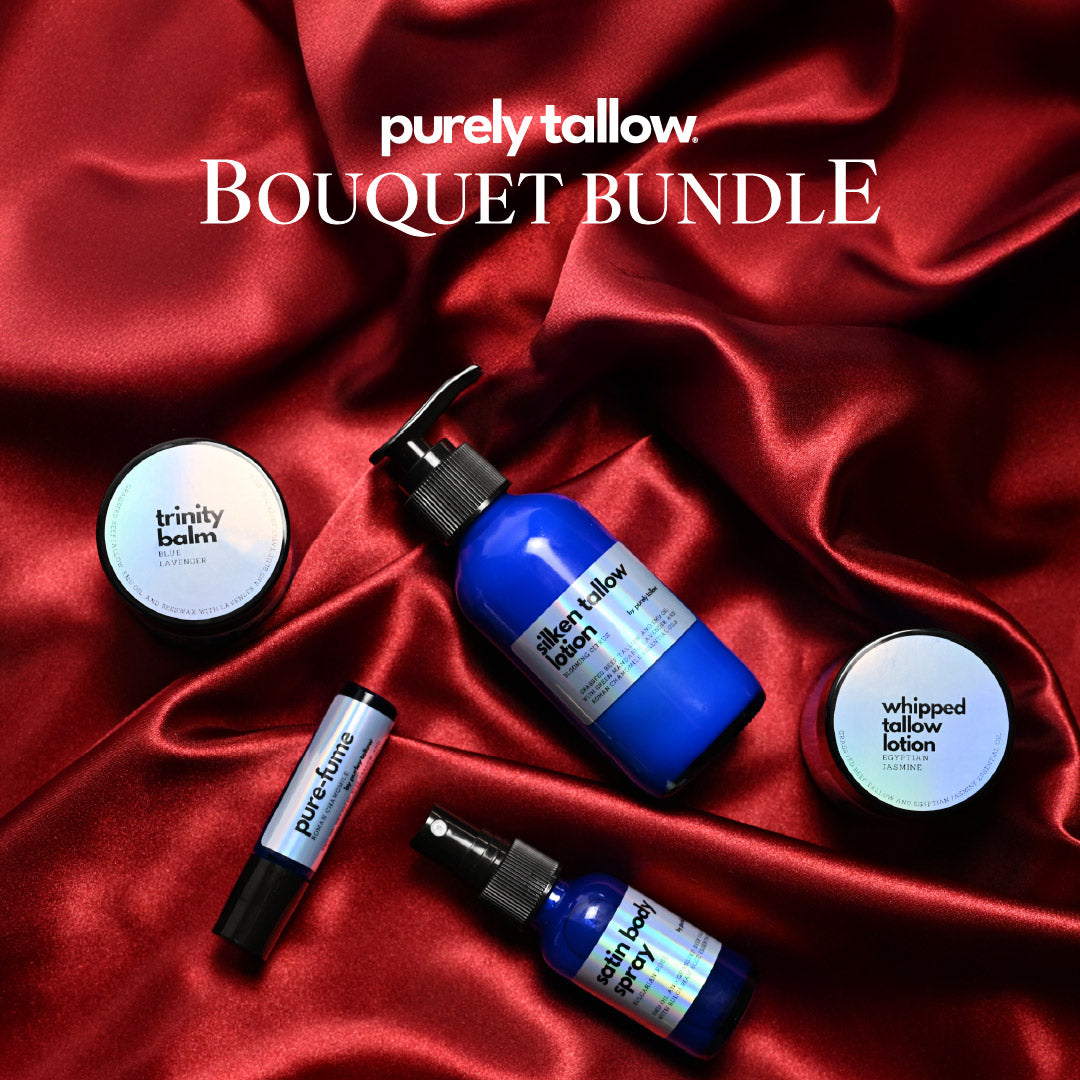
What is “Pure Tallow” anyway?
Pure Tallow is rendered animal fat, usually from beef (sometimes lamb). In skincare, it’s typically whipped or turned into a balm and marketed as a “traditional” moisturizer.
The pitch is basically:
- It’s simple, minimal ingredients.
- It’s rich in fatty acids that support the skin barrier.
- It’s more “bio compatible” than a lot of plant oils (you’ll hear that phrase a lot).
- It works especially well for dry, sensitive skin.
And yeah, it can be just one ingredient. Sometimes it’s literally only tallow. Other times it’s tallow plus olive oil, jojoba, essential oils, honey, etc.
For this review, I’m talking about pure tallow. No fragrance. No essential oils. Just the base.
Why I tried it (what I was hoping it would fix)
My skin is one of those annoying in between types.
Not oily. Not truly dry. But barrier compromised, dehydrated, and reactive. Like it can look fine for a week, then the weather shifts or I overdo actives and suddenly I’m flaky around the nose, tight around the mouth, and my cheeks get that stingy redness.
I also get occasional clogged pores on my chin and near my nose. Not full acne, more like small bumps and congestion.
So my goals were pretty simple:
- Calm down irritation
- Fix dryness without burning
- Improve that “tight” feeling by morning
- Not trigger more clogged pores
If it made my skin look smoother, great. If it stopped my face from feeling like paper in winter, even better.
First impressions (texture, smell, and the “oh wow” moment)
Let’s get this out of the way.
Pure tallow smells like… tallow. Some are more neutral than others depending on how well it’s rendered and filtered, but if you’re expecting “nothing”, you might be disappointed. It’s not a perfume smell. It’s more like a faint meaty, waxy, natural fat smell. Some people won’t notice it. Some people will hate it.
Texture wise, it depends if it’s whipped. Whipped tallow feels like a dense balm that melts fast. Non whipped feels more like a firm ointment.
The first “oh wow” moment for me was how fast it softened between my fingers. It goes from solid to oil in seconds. Which sounds nice. Then you put it on and you realize.
This is heavy.
Not suffocating, but definitely rich. If you use too much, you will look shiny. Like glazed. Like you are about to be roasted with potatoes.
So yeah. Amount matters.
How I used Pure Tallow (my routine)
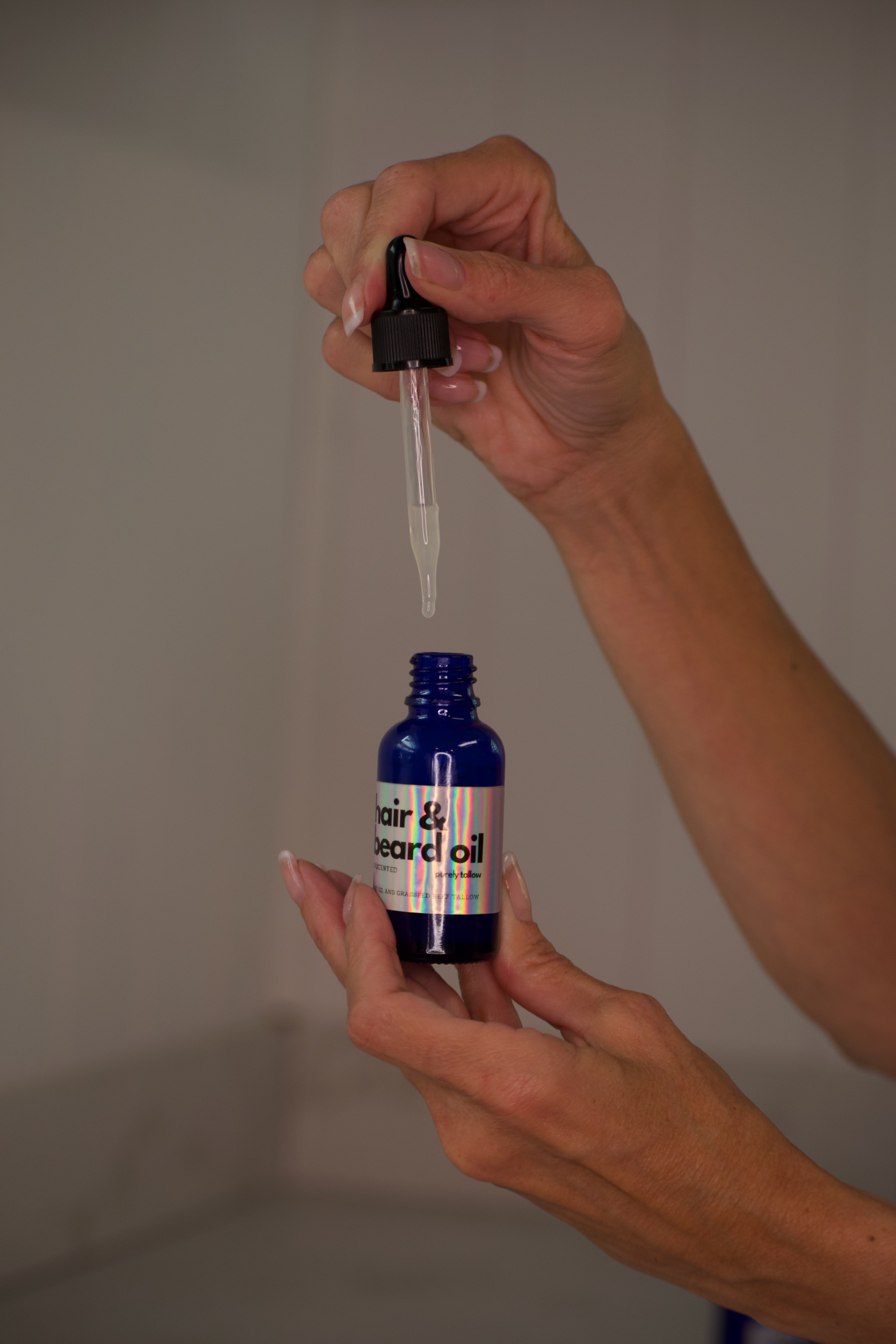
I used it for 3+ weeks, mostly at night. I tried it a few ways.
Night routine (most nights):
- Gentle cleanser
- Hydrating toner or just water on damp skin
- Pea sized amount of tallow, warmed in hands
- Pressed in, not rubbed aggressively
Morning routine (only when very dry):
- A tiny amount on the driest areas only. Cheeks and around the mouth.
- I avoided the T zone in the morning because I don’t love that greasy sunscreen layer on top of grease.
I did not mix it with actives. No retinol nights with tallow at first. I wanted to see what it did on its own.
Also important. I used it on damp skin. If you put it on totally dry skin, it can feel like it just sits there. Damp skin made it sink in better.
Before and After: What happened week by week
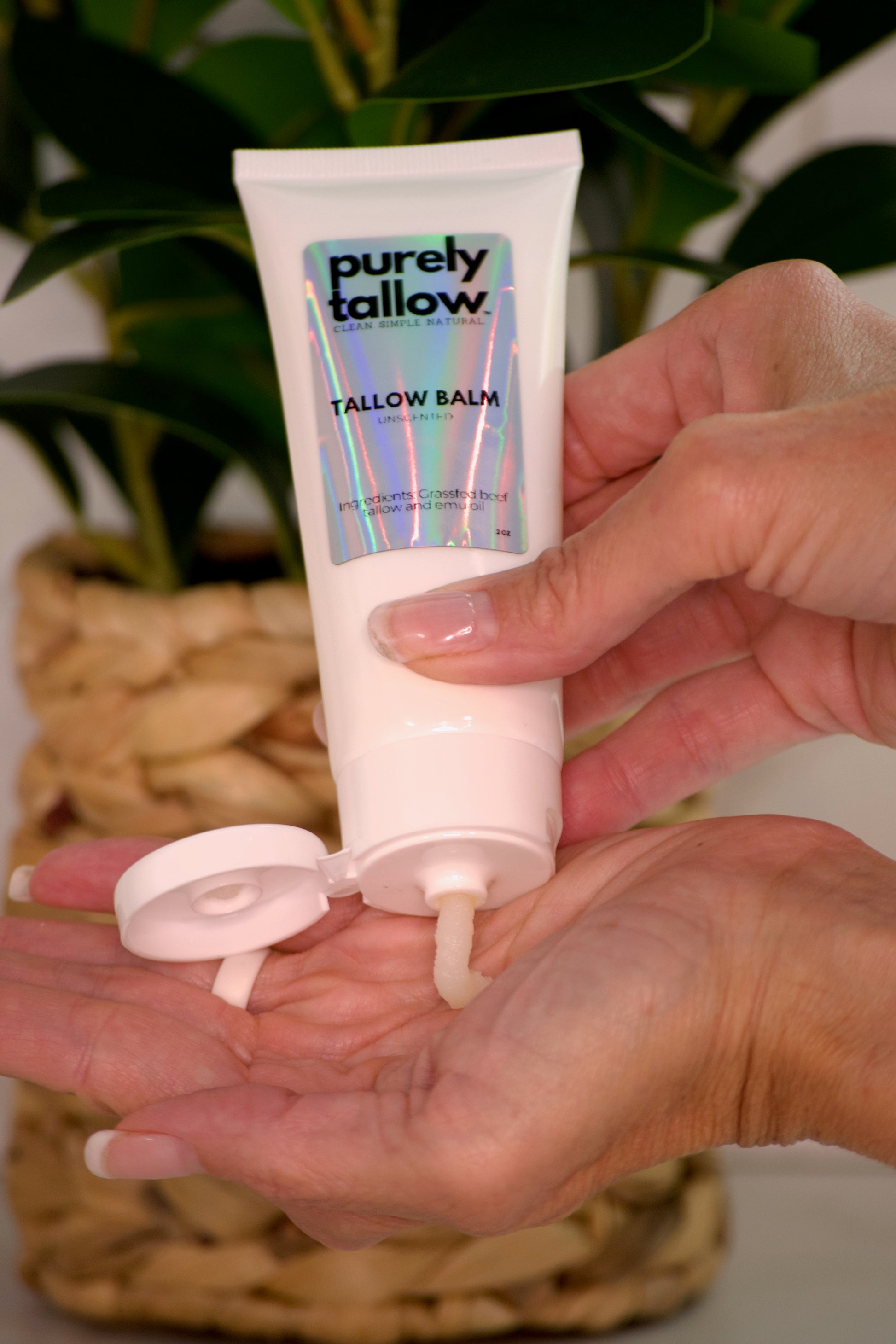
This is the part everyone wants. The “real results”.
So here it is, as honestly as I can describe it.
Days 1 to 3: Immediate comfort, but very shiny
Before: tightness after cleansing, mild redness, flaky corners around nose.
After (days 1 to 3):
- Tightness dropped almost immediately.
- My skin felt cushioned. That’s the word. Like protected.
- Flakes softened but didn’t fully disappear yet.
- My face was shiny for about an hour after applying, even with a small amount.
No burning, no stinging. That was a big deal for me because some “clean” oils still sting when my barrier is mad.
Days 4 to 7: Barrier improvement, but I started watching my pores
By the end of week one, this is what I noticed:
- Redness around my cheeks looked calmer
- My skin looked more even in the morning
- Flaky patches were almost gone
But. I also noticed slight congestion starting around my chin. Not a breakout, just the beginning of those little bumps. This is where I adjusted.
I reduced the amount and stopped applying it on my chin. I kept it on cheeks, jaw, and dry areas only.
That change helped.
Week 2: The “after” look starts showing up
Week two is where I got the most visible improvement.
- My skin looked smoother, especially on the cheeks
- Makeup sat better on my dry areas
- That irritated, thin feeling after cleansing basically disappeared
- My face felt less reactive to cold air
It didn’t “erase pores”. It didn’t “change my genetics”. But it did make my skin look more calm and less textured because it wasn’t dehydrated.
The chin congestion did not get worse once I changed application. It stayed stable.
Week 3: Results leveled out, and I got a clear verdict
By week three, I felt like I had my answer.
Pure tallow was excellent for:
- Dryness
- Barrier support
- Calming irritated skin
- Reducing that flaky, tight, “overexfoliated” vibe
But it was not ideal for:
- Areas prone to clogged pores (for me, chin and around nose)
- Hot weather mornings
- Anyone who hates feeling even slightly greasy
So my “after” result is not “perfect skin”. It’s more like. My skin felt healthier. Less dramatic. Less reactive.
And honestly, that alone can be a big win.
So… are the before and after claims real?
Some of them, yes.
If your “before” is dry, inflamed, compromised barrier skin, you might see a real transformation. Less redness. Less flaking. A smoother look. That kind of before and after makes sense.
If your “before” is active acne, lots of closed comedones, very oily skin, then the miracle before and after is less guaranteed. And in some cases, it can go the other way.
Tallow is occlusive and rich. That can be amazing for the right person. It can also be a clogging situation for others.
Pros and cons (quick and real)
What I liked
- Simple ingredient, easy to troubleshoot
- Great for dryness and irritation
- No sting for me, even on sensitive nights
- Skin felt protected in cold weather
- A little goes a long way if you use it correctly
What I didn’t love
- The smell is real, even if mild
- Easy to overapply and look greasy
- Could clog pores on acne prone zones
- Not a “light moisturizer” person’s product
Who I think Pure Tallow is best for
I’d recommend pure tallow if you are:
- Dry or dehydrated
- Sensitive or easily irritated
- Dealing with barrier damage (overexfoliation, harsh actives, winter skin)
- Someone who likes minimal ingredient skincare
- Not very acne prone, or at least not acne prone everywhere
It’s also great as a spot product. Like dry patches, around the mouth, cheeks, even hands.
Who should be careful or skip it
I’d be cautious if you are:
- Very acne prone, especially if you clog easily
- Oily in most areas
- Living in hot humid weather and already feel greasy
- Sensitive to animal derived products or prefer vegan skincare (obviously)
- Someone who cannot tolerate any scent
Also. If you’re using a lot of active acne treatments, you might not want a heavy occlusive on top of everything every night. That can trap stuff and irritate you more.
Tips to get better results (and avoid the greasy mess)
This is what made it work better for me.
- Use less than you think. Start with a rice grain amount for the face.
- Apply to damp skin. It spreads better and feels less heavy.
- Avoid your clog prone zones. You do not have to apply it everywhere.
- Use at night first. Daytime tallow plus sunscreen can feel like a lot.
- Patch test. Yes it’s “natural”. That does not mean your skin will automatically love it.
Is Pure Tallow worth it?
For me, yes. With a caveat.
I’m keeping it in my routine as a nighttime barrier balm and a winter skin saver, not as an all over daily moisturizer forever. It’s one of those products that shines when your skin is stressed, dry, and reactive.
If you’re expecting it to replace every skincare product you own and give you glass skin in 48 hours. That’s where people get disappointed.
But if your skin needs calming and sealing and a break from complicated formulas, pure tallow can genuinely help.
Pure Tallow FAQ
Does tallow clog pores?
It can. Some people do great with it, others get closed comedones, especially in the T zone or chin. If you’re acne prone, start by using it only on dry areas and use a very small amount.
How long does it take to see results?
For dryness and tightness, you can feel improvement within a few days. For visible “before and after” changes like smoother looking texture and calmer redness, give it 2 to 3 weeks.
Can I use pure tallow on my face every day?
Some people can. I personally prefer it mostly at night, and I avoid applying it on areas where I clog easily. Daily use works best if your skin is dry and not acne prone.
Does pure tallow help acne?
Sometimes it helps indirectly if your acne is driven by irritation or a damaged barrier. But if you clog easily, it may make acne worse. It’s not a guaranteed acne treatment.
Can I use tallow with retinol or acids?
Yes, but introduce it slowly. If you’re using strong actives, tallow can be a good “buffer” or sealing layer on nights your skin feels dry. Just be mindful that heavy occlusives can sometimes increase irritation for some people depending on what’s underneath.
Does it smell bad?
Pure tallow has a natural fatty scent. Some jars are mild, some are stronger depending on rendering quality. If you are sensitive to smell, choose unscented but understand “unscented” does not always mean odorless.
What’s the difference between whipped tallow and balm tallow?
Whipped tallow is aerated and lighter to scoop, but it melts the same on skin. Balm style is denser and sometimes feels more ointment-like. Performance is similar. Whipped just feels easier to apply.
Is tallow better than petroleum jelly?
They are different. Petroleum jelly is a very strong occlusive with no “nourishing” fatty acid profile, but it’s incredibly effective at preventing water loss. Tallow, such as the pure tallow from Purely Tallow, is also occlusive, plus it contains fatty acids that may support the skin barrier. Some people prefer tallow’s feel. Some prefer petrolatum’s predictability and no scent.
Can I use it on eczema or very irritated skin?
Some people find it soothing, but eczema is medical. If you have active eczema flares, it’s smart to patch test first and follow your dermatologist’s plan. Tallow can be a supportive moisturizer, not a medical cure.
How do I store pure tallow?
Keep it sealed, away from heat and direct sunlight. Most are shelf stable, but extreme heat can melt it and change texture. If it smells rancid or changes dramatically, stop using it.
Is pure tallow safe for kids or babies?
Some people use it, but babies have very sensitive skin. Patch test and talk to a pediatrician if there’s eczema or persistent irritation. Minimal ingredients helps, but it’s still a product that can cause reactions in some cases.
Recommended for you
 Elevate Styles Review: Is This the Most Trusted Place to Buy Wigs Online?
- Elevate Styles Guide: Discover the Stunning Truth About Synthetic vs. Human Hair Wigs
- OcuraLife Review: Is the 6-in-1 Plasma Pen Worth It for At-Home Skin Imperfection Care?
 SISSEL Foam Roller: Welche Härte passt zu dir?
 Honey Acres: The Ultimate Guide to Kosher Certified, Gluten-Free, and Big 9 Allergen-Free Treats
 Kyor OUTGLOW Review: The Effortless Skin Supplement That Actually Transforms Your Glow