POPA Shoes: The Complete Guide to Spain's Handcrafted Women's Footwear
A complete introduction to POPA shoes — the Elche, Spain-based label behind platform menorquinas, wedge sandals and espadrilles. Materials, craftsmanship, range and how to choose.
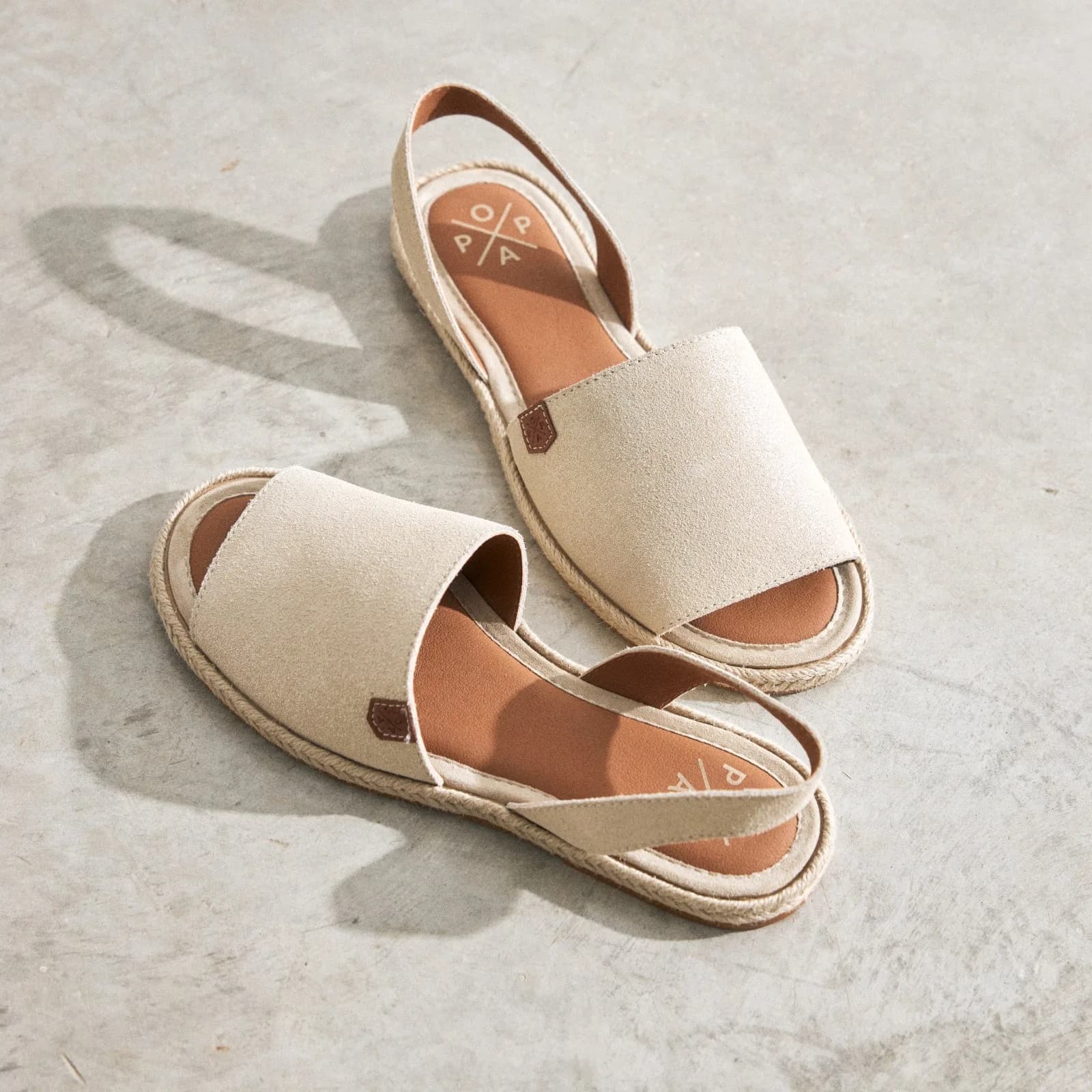
What is POPA?
POPA shoes are the handcrafted women's footwear line from POPA Brand, a Spanish label built in Elche, Alicante — the historic heart of Spain's shoemaking industry since 2015. If you've seen platform menorquinas, woven-jute wedges, or raffia espadrilles turning up across fashion feeds, there's a good chance they trace back to this Elche workshop. This guide from the Emmagilt editorial team breaks down who POPA is, how the shoes are made, what they're made from, and how to think about picking your first pair.
POPA shoes are worth a look if you want handcrafted Spanish leather and jute footwear with a distinct Mediterranean look.
POPA is a good fit if you want a shoe with a real production story behind it rather than a mass-market silhouette. If you need next-day availability in every size, check stock directly before committing.
Browse POPA ShoesKey Highlights
- Who founded POPA and why Elche matters to the brand's craftsmanship story.
- What materials go into POPA shoes, from leather to jute and cork.
- The full POPA shoe range, from menorquinas to sneakers and espadrilles.
- How to match a POPA style to your own wardrobe and daily routine.
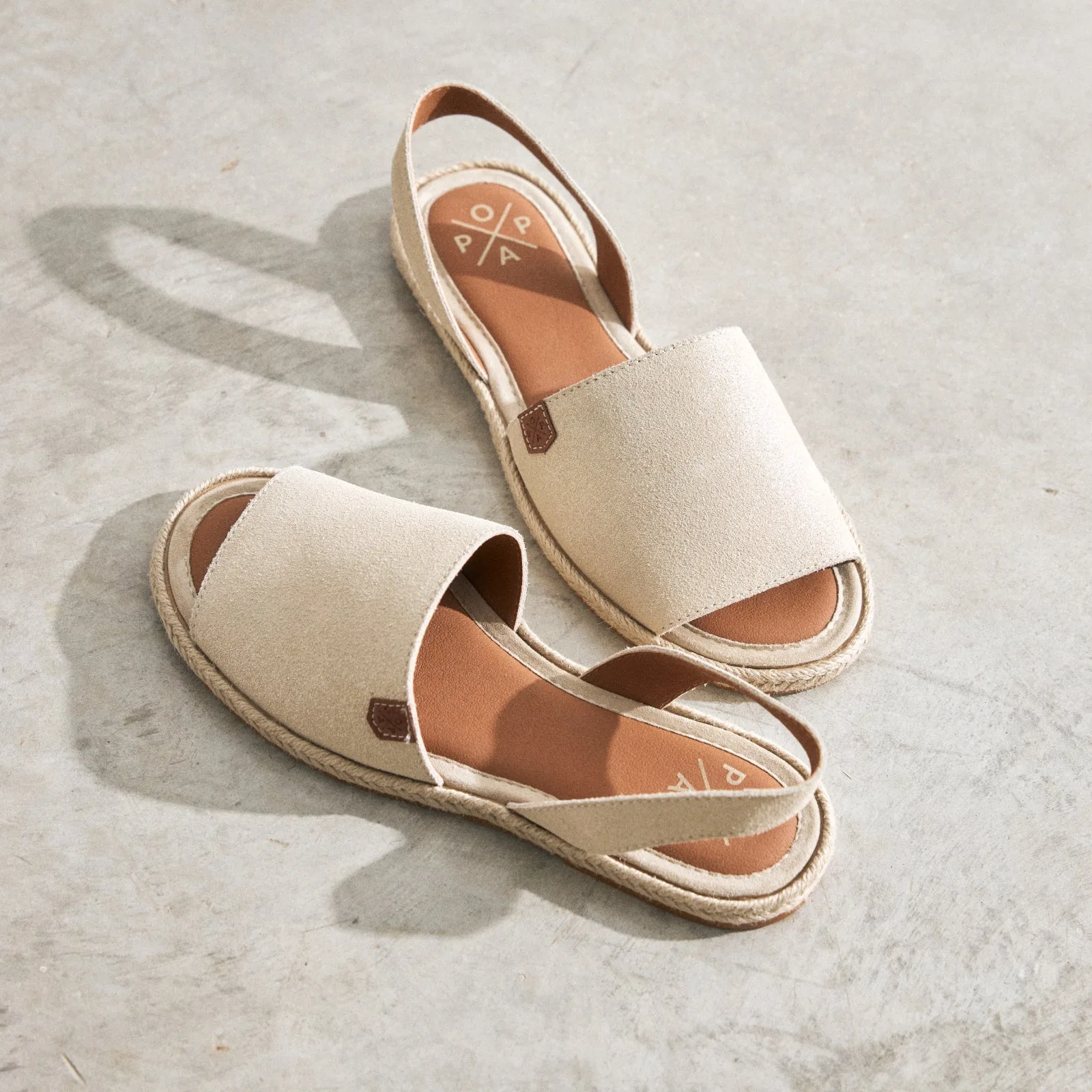
What is POPA?
POPA Brand is a women's footwear label founded in 2015 in Elche, Alicante, Spain, by brothers named Lucas. Elche has been a center of Spanish shoe manufacturing for generations, and the founders built POPA directly on that foundation. Between them, the Lucas brothers brought more than 25 years of personal footwear-industry experience, with over 50 years of collective family expertise in shoemaking. That background shows up in the brand's focus on traditional construction methods rather than fast-fashion shortcuts.
The name POPA has become closely associated with one specific innovation: the platform menorquina. Before diving into the range, it helps to understand how — and where — these shoes are actually built.
How POPA shoes are made
POPA operates its own dedicated factory of roughly 2,000 square meters in Elche, which means the brand controls design, material selection, and production in-house rather than outsourcing to third parties. Every pair is individually crafted by experienced artisans using traditional Spanish techniques passed down through generations, with all materials sourced and all production carried out entirely in Spain.
This in-house, single-country model is a meaningful part of what separates POPA shoes from mass-produced alternatives: the same factory that sources the leather and jute also cuts, assembles, and finishes the final sandal.
Materials and quality
Material choice is where POPA shoes lean hardest into their Mediterranean identity. The brand works with laminated leathers, serrajes (suede), sauveges, and fine suedes for uppers, plus high-quality jute cords — available in natural, paraffin-treated, toasted, and colored finishes — and woven raffia for textured uppers and platform soles. Cork and organic cotton also appear across many designs, giving the line a lighter, more natural footprint than synthetic-heavy competitors.
| Material | Where it's used | What it adds |
|---|---|---|
| Leather, suede, serraje | Uppers, straps | Structure, durability, break-in comfort |
| Jute cord | Platforms, wedge soles | Signature textured, lightweight base |
| Raffia | Woven uppers, platforms | Natural texture, warm-weather feel |
| Cork & organic cotton | Insoles, linings, select uppers | Lighter, more natural construction |
Because these are natural materials worked by hand, expect some visual character — subtle grain or weave variation — rather than the uniform look of injection-molded footwear.
The POPA shoe range
POPA's catalog spans signature menorquinas (flat and platform sandals), wedge sandals (cuñas), casual sandals, modern sneakers, traditional espadrilles, and comfortable clogs, so the brand covers both everyday wear and dressier occasions rather than sticking to one silhouette.
The standout is the brand's take on the menorquina. POPA's signature Saona model reinvented the traditional menorquina by becoming the first menorquina sandal built on a platform sole, blending the classic Menorcan silhouette with added height and modern comfort. That single design decision effectively established platform menorquinas as a category in their own right, and it remains a defining thread across POPA's sandal lines today.
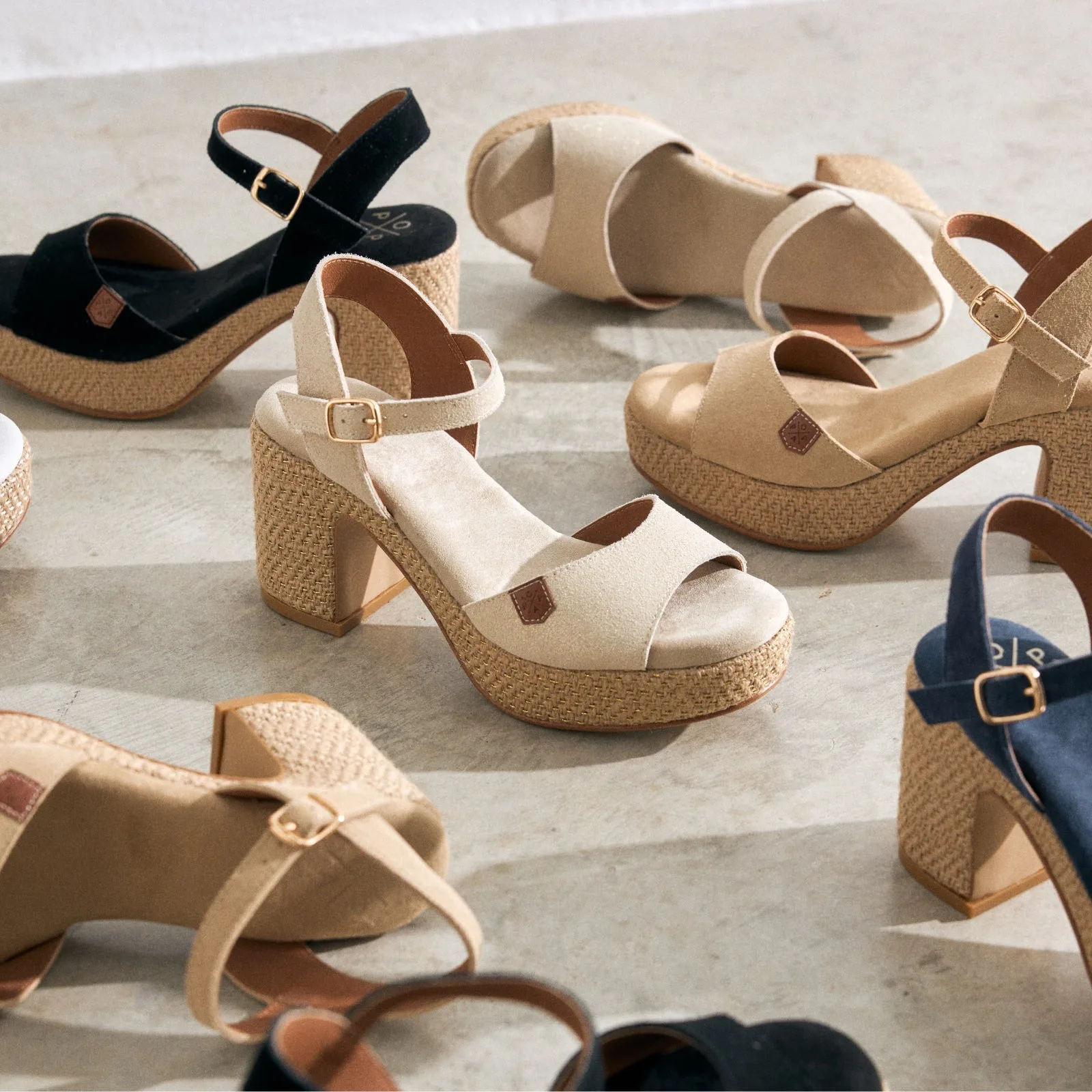
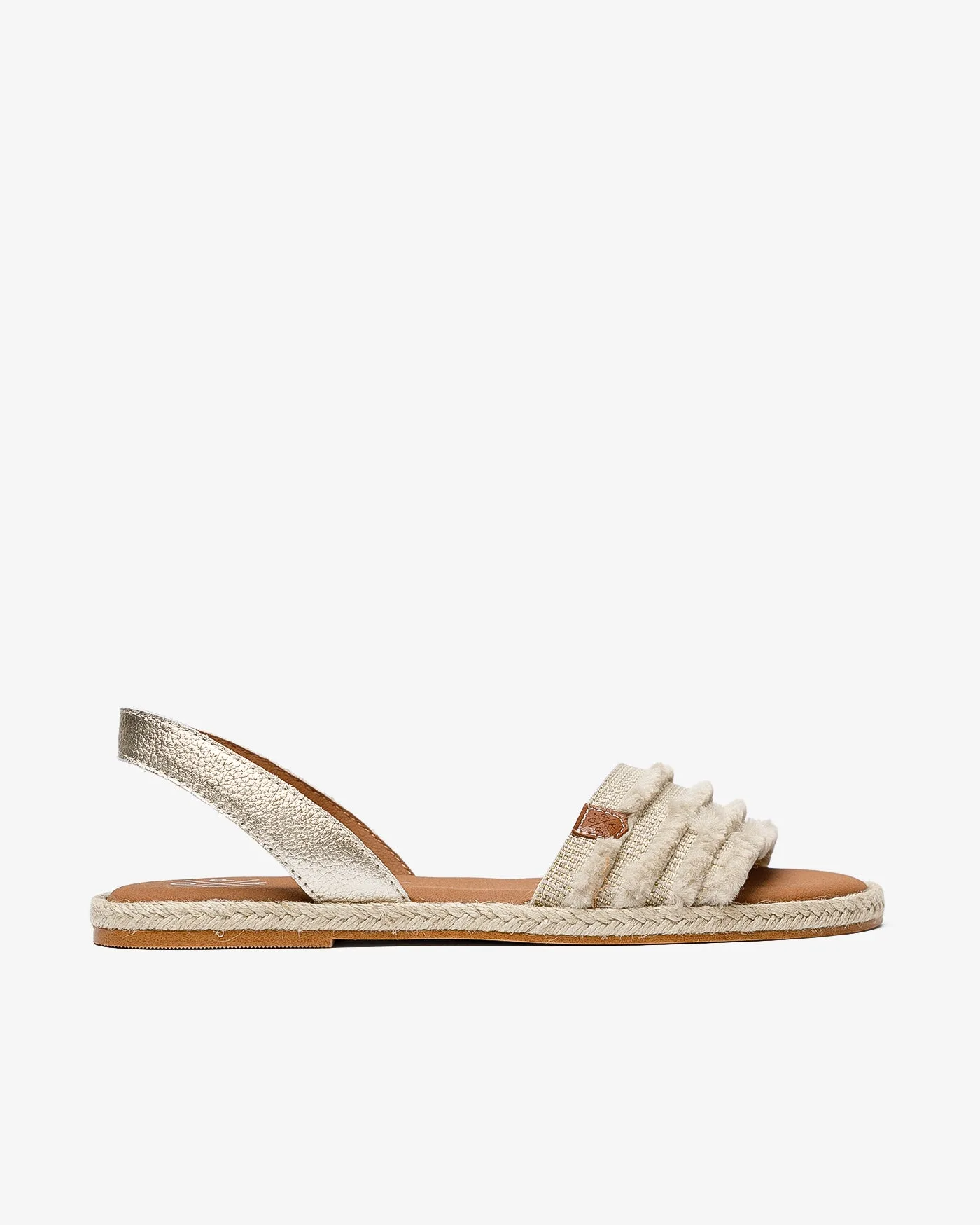
Browse POPA's Saona-style platform menorquinas
The platform menorquina is the shoe that put POPA on the map — a reasonable entry point if you're exploring the brand for the first time.
Seasonal collections
POPA releases curated seasonal collections built around thematic, lifestyle-driven concepts — including "The Village" (Vol. 1), "The House" (Vol. 2), and "The Coast" (Vol. 3) — plus specialized capsule collections such as Studs and Gallery. Each collection leans on Mediterranean references while updating silhouettes and colorways for the season, so the core menorquina and espadrille shapes get reinterpreted rather than replaced outright.
This collection structure means the POPA shoes you see in one season may not be an exact match the next — worth noting if you fall in love with a specific colorway.
How POPA shoes fit your wardrobe
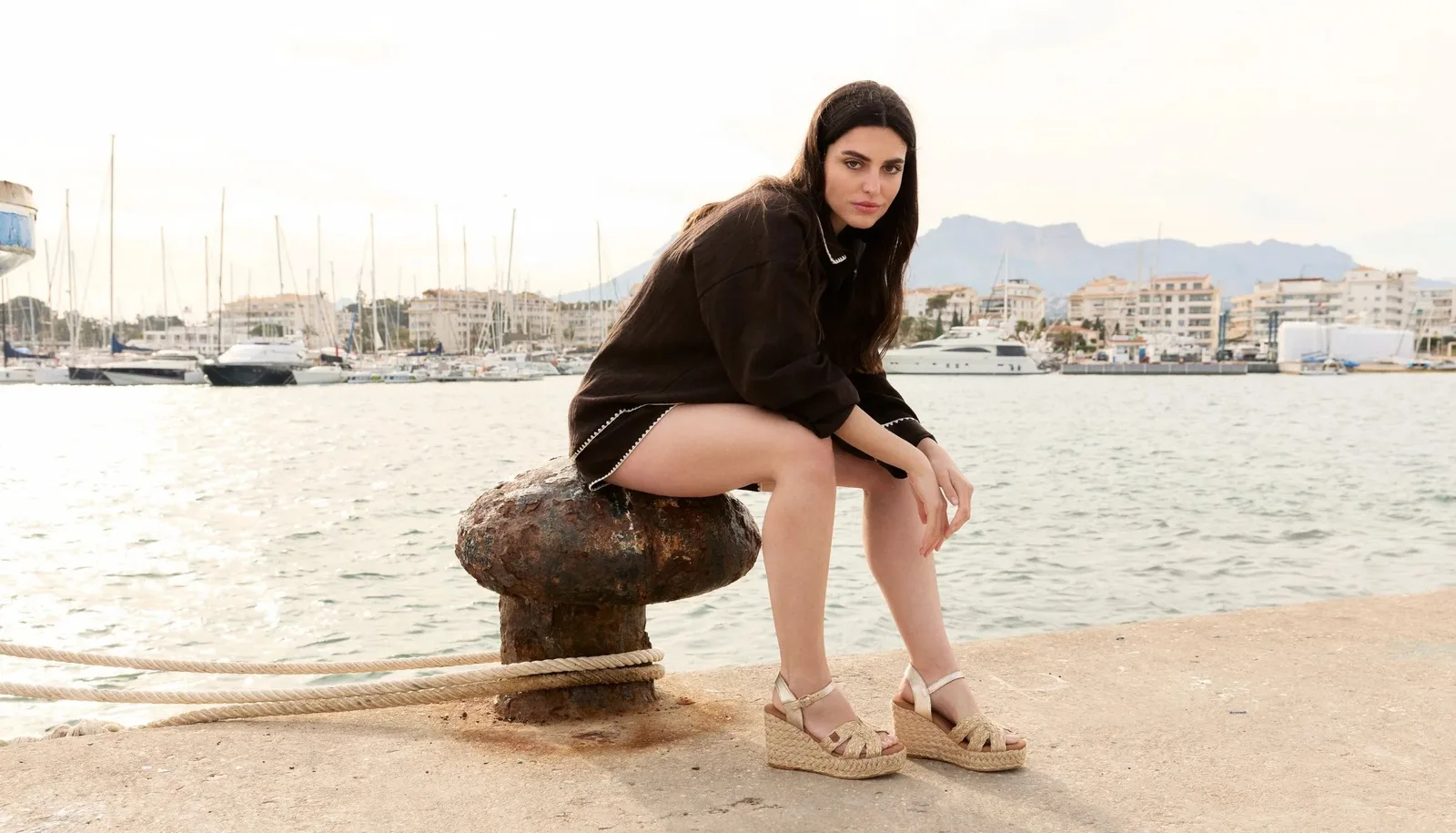
Because the range spans flats to platforms, POPA shoes can slot into several different wardrobe roles rather than one narrow use case. Flat menorquinas and espadrilles work as everyday travel or weekend shoes; platform menorquinas and wedge sandals add height for dressier daytime or evening looks; the sneaker line covers more casual, city-day wear.
POPA now distributes to more than 50 countries across four continents through multi-brand retailers, online partners, and direct sales, so the brand has moved well beyond a regional label — meaning sizing charts and fit notes are usually available even if you're shopping from outside Spain.
Customer feedback tends to center on comfort and design, with the brand's own site showing more than 5,319 reviews — a reasonable signal of sustained demand for a label built on handcraft rather than fast-turnaround manufacturing. For a longer-term wear perspective, see our hands-on 30-day POPA review.
Choosing your first pair
If you're new to POPA shoes, start with the category that matches how you actually dress day to day rather than the style that looks best in photos.
If you want an everyday staple
Flat menorquinas or classic espadrilles are the lowest-commitment entry point — comfortable, versatile, and closest to what most people picture when they think "Mediterranean sandal."
If you want a statement piece
Platform menorquinas or wedge sandals (cuñas) bring the height and texture that made the Saona style POPA's signature — a stronger visual pick for events or dressier outfits.
If you want warm-weather versatility
Raffia or jute-textured espadrilles and wedges lean into POPA's natural-material strength and tend to pair well with both casual and resort wardrobes. If you're building a warm-weather look around them, our guide to Mediterranean style shoes covers how to style the wider category.
Whichever category you start with, check the specific materials listed on the product page — leather versus raffia versus jute will each feel and wear differently, and POPA's range genuinely spans all three.
The Bottom Line
POPA shoes offer a rare combination in women's footwear: a fully in-house, Spain-based production model, natural materials like jute, raffia, and cork, and a genuine design signature in the platform menorquina. If handcrafted Mediterranean style appeals to you, POPA is a brand worth exploring directly.
Shop POPA ShoesReferences
Recommended for you
 Elevate Styles Review: Is This the Most Trusted Place to Buy Wigs Online?
- Elevate Styles Guide: Discover the Stunning Truth About Synthetic vs. Human Hair Wigs
- OcuraLife Review: Is the 6-in-1 Plasma Pen Worth It for At-Home Skin Imperfection Care?
 SISSEL Foam Roller: Welche Härte passt zu dir?
 Honey Acres: The Ultimate Guide to Kosher Certified, Gluten-Free, and Big 9 Allergen-Free Treats
 Kyor OUTGLOW Review: The Effortless Skin Supplement That Actually Transforms Your Glow