5 Reasons the Cloud Nine Hoodie Is Becoming a Popular Stress-Relief Clothing Item in North America
There’s a specific moment I keep noticing lately that feels like being on Cloud Nine. It’s that end of day […]
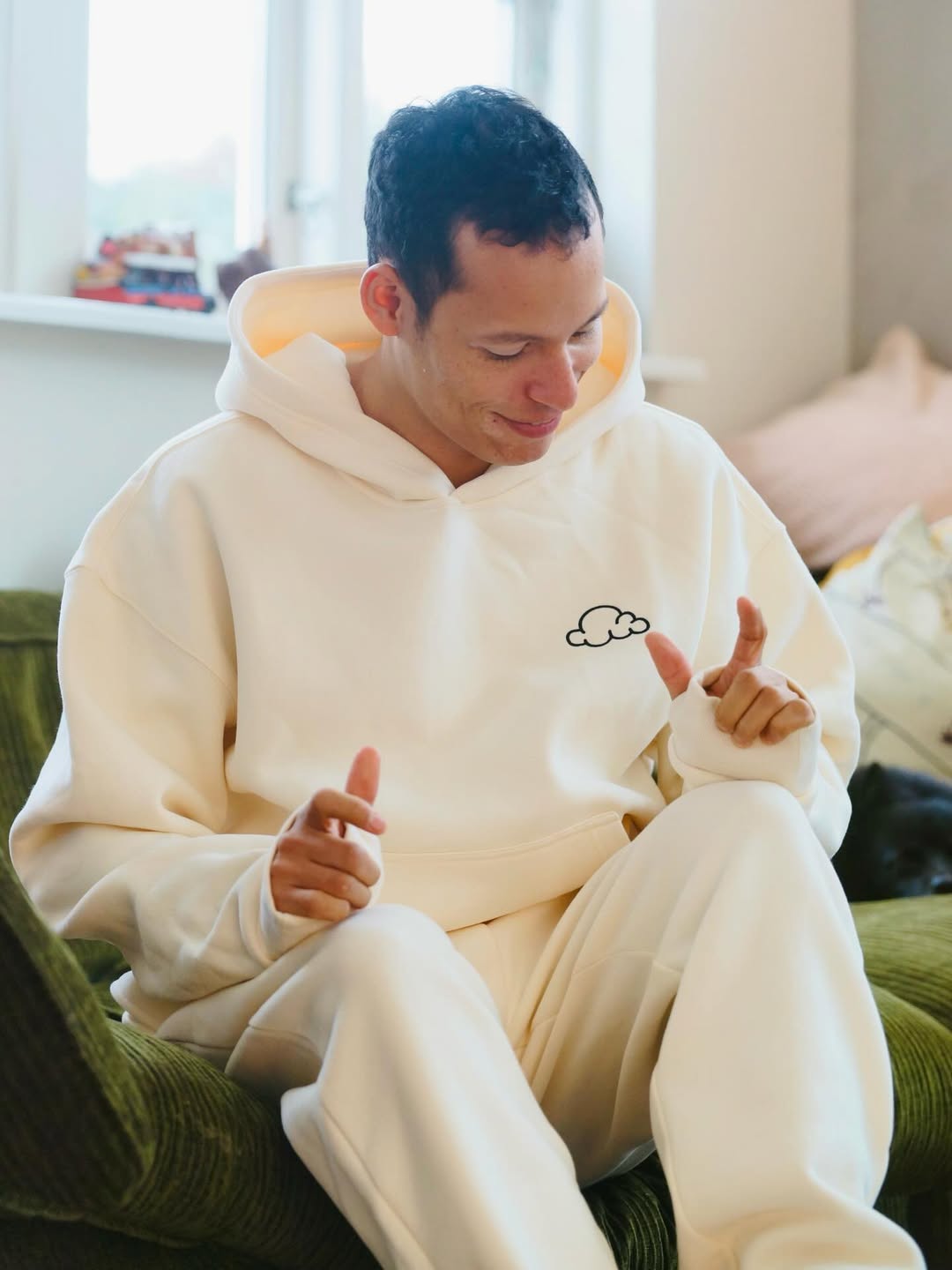
There’s a specific moment I keep noticing lately that feels like being on Cloud Nine.
It’s that end of day slump where your brain feels loud, your shoulders are stuck up near your ears, and even small decisions feel weirdly heavy. You get home, you kick off your shoes, and then you reach for the one thing that makes you feel… safer. Not magically fixed. Just better. Less exposed.
For a lot of people, that thing is turning into a hoodie. But not just any hoodie.
Somehow the Cloud Nine Hoodie has been popping up more and more in conversations, in “what I wear when I’m anxious” posts, in casual recommendations from friends who are not even fashion people. And the reason isn’t only that it looks good. It’s that it feels like a stress tool you can wear in public without announcing you’re stressed.
Stress relief clothing sounds like a trend until you remember something obvious: we already self soothe with clothes. We’ve been doing it forever. Oversized sweaters. Old college hoodies. Soft joggers. The outfit you put on when you’re sick. The jacket you wear like armor.
The Cloud Nine Hoodie just… leans into that on purpose. And North America, with its nonstop work culture and high baseline anxiety, is basically the perfect environment for it to take off.
So, here are five reasons it’s becoming a popular stress relief clothing item across the US and Canada.
1. People are quietly building “comfort uniforms” for daily life
This is a big one, and it’s kind of underrated.
A few years ago, “getting dressed” was more of a performance. Different outfits for different contexts. Lots of discomfort tolerated for the sake of looking put together. Then remote work became normal, errands became more casual, and a lot of people realized something that they can’t unsee now.
Being physically uncomfortable all day makes you more mentally tired. Like, why are we doing that.
So a lot of folks started building comfort uniforms. Clothes that feel good, look decent, and remove a chunk of daily friction.
A hoodie that’s soft, structured enough to wear outside, and easy to grab becomes part of that uniform fast.
And here’s the sneaky part. A comfort uniform does not just save time. It lowers decision fatigue. It reduces the number of small annoyances. It keeps your body feeling safe and warm and unbothered.
That matters. If your nervous system is already running hot, the last thing you need is scratchy fabric, tight seams, or a waistband that feels like it’s mad at you.
The Cloud Nine Hoodie fits into this “I want one reliable thing” mindset. People are buying fewer pieces they actually wear more often. And when the hoodie becomes the default, it becomes the emotional default too.
You start associating it with relief.
2. The fabric and fit are doing the work, not just the branding
I’m always skeptical of products that market comfort like it’s a revolutionary idea. Most of the time it’s just a normal hoodie with a cute name.
But the reason certain hoodies become “that hoodie” is simple: the material feels right and the fit doesn’t fight you.
That’s what pushes something into stress relief territory. Not clinical relief, obviously. But the kind where your body drops half an inch the second you put it on.
Here’s what typically makes a hoodie feel calming, and why people notice it quickly:
- Softness that stays soft, not just on day one
- A warm but breathable weight
- Enough room to move without feeling sloppy
- No weird scratchy interior or stiff neckline
- Sleeves and shoulders that don’t pull or bunch
When those things line up, your body reads it as safety. Seriously. Your skin is one of your main sensory inputs, and soft pressure plus warmth can be soothing. It’s the same reason people like weighted blankets, thick socks, or wrapping up in a throw on the couch.
The Cloud Nine Hoodie is being talked about like a wearable exhale. And when enough people independently say that, it’s not just hype. It’s sensory reality.
Also, fit matters more than people admit. If a hoodie is too tight, it’s not comforting. If it’s too baggy in the wrong way, you feel sloppy. The sweet spot is that relaxed fit that still holds shape. You can wear it to pick up groceries, jump on a work call, or sit in your car for five extra minutes before going inside. We’ve all done the car thing.
If the hoodie supports those moments, it becomes part of your coping routine without even trying.
3. Stress relief is getting normalized, and clothing is a low effort entry point
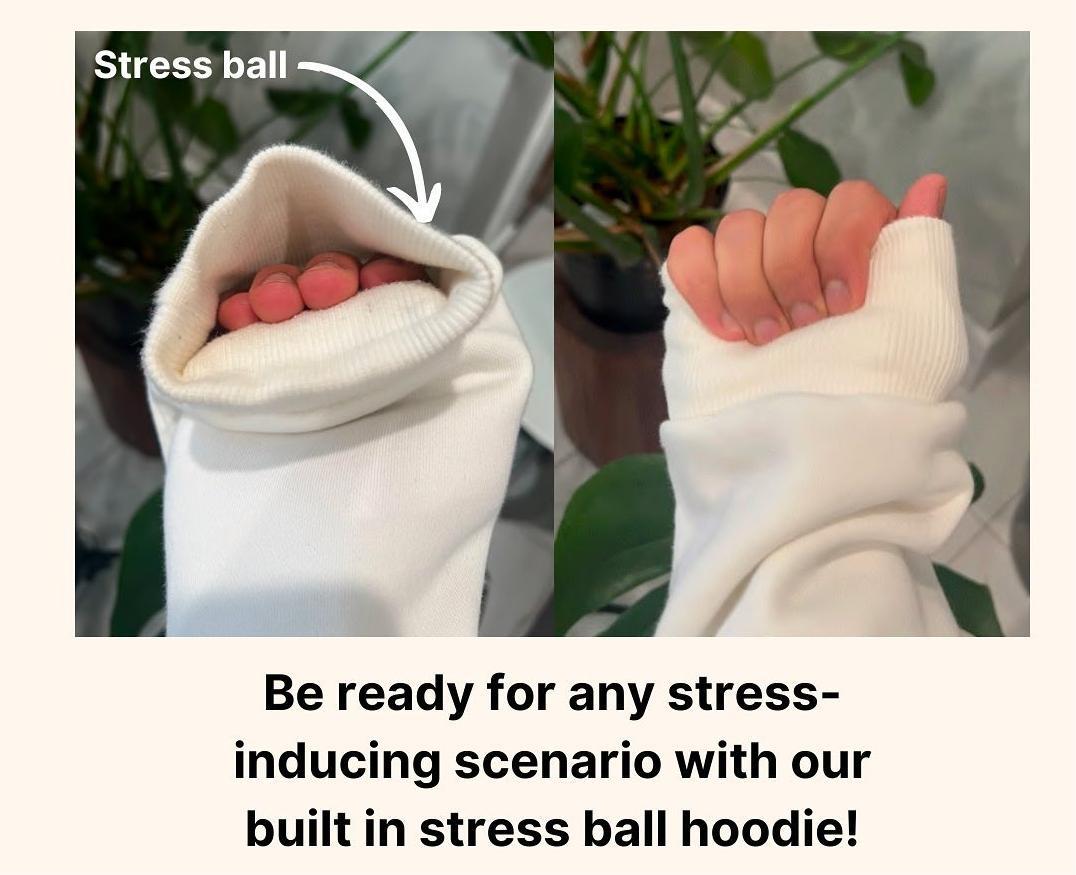
There’s been a shift in North America lately. Mental health is less of a whispered topic and more of a daily reality people talk about openly.
Not everyone is going to therapy. Not everyone is meditating. Not everyone has time for a full routine. But almost everyone understands stress, burnout, and overstimulation now. It’s not niche anymore.
So people are looking for small, practical ways to feel better that don’t require a lifestyle overhaul.
And clothing is the easiest “yes” in the world. You already have to wear something. You can’t forget it at home because it’s literally on you.
That’s why stress relief clothing is catching on. It’s not asking you to become a different person. It’s just a better version of something you already do.
Put on hoodie. Feel calmer. Move on.
And there’s another piece here that’s kind of emotional. Wearing a comfort item in public can feel like permission. Like you’re allowed to take care of yourself while still functioning. You’re not in pajamas, you’re not hiding. You’re just… comfortable.
For a lot of people, that’s the goal now. Not perfect. Not polished. Just steady.
A hoodie that signals “I’m safe in my own skin” fits the cultural moment.
4. The hoodie has become a modern “portable boundary”
This reason is more psychological, but it’s real.
A hoodie is a boundary. Not a wall, but a soft border between you and everything else.
Think about what people do when they feel overwhelmed:
- They pull their sleeves over their hands
- They tuck their chin into the collar
- They put the hood up
- They cross their arms inside the fabric
- They shrink their silhouette a little
It’s self protection, but gentle. And for people who feel overstimulated in public spaces, that physical cue matters.
North American life can be loud. Bright stores. Crowded sidewalks. Open plan offices. Airports. Coffee shops that play music like they’re hosting a nightclub. Even social expectations can feel intense. Like you always have to look alert, friendly, available.
A hoodie gives you a way to opt out just a bit.
You can still show up, still be out there, but you’re less exposed. The hood especially. It’s like lowering the volume on the world. It narrows your field of input. It creates a little cave.
I’ve heard people describe certain hoodies as “my shell” or “my armor.” Which sounds dramatic until you realize it’s actually a pretty accurate description of what comfort clothing does. It helps your nervous system stop scanning so hard.
So when the Cloud Nine Hoodie is framed as calming, part of that is probably how it helps people feel contained. Supported. Not squeezed. Just held.
And yes, some people are using it almost like a wearable coping skill. Instead of reaching for their phone or spiraling in their head, they put on the hoodie and it cues the body to settle.
It’s not a cure, but it’s a boundary. A portable one.
5. It matches the “soft life” vibe without feeling like a costume
A lot of trends feel performative. Like you’re buying an identity.
But the “soft life” shift in North America is less about looking a certain way and more about refusing unnecessary discomfort. Not just physical discomfort either. Emotional discomfort. Hustle culture. The constant pressure to optimize.
People want softness. Warmth. Simplicity.
And they want it in a way that still works for real life. School drop offs. Work calls. Long drives. Grocery runs. Late night walks. Sitting at a desk pretending you’re fine while your inbox multiplies.
The Cloud Nine Hoodie fits that, because it’s not trying too hard. It’s not a costume piece. It’s just a very wearable item that happens to hit the comfort nerve really well.
Also, hoodies are culturally accepted across North America in a way that almost no other comfort item is. You can wear them at almost any age, in almost any city, in almost any season if the weight is right. They’re not “weird.” They’re normal.
So when a hoodie becomes associated with stress relief, it spreads fast. People don’t have to justify it. They just say, “It’s so comfy,” and you immediately understand.
And then you want your own.
What makes a hoodie feel “stress relieving” anyway?
It’s not magic fabric. It’s a few basic human things stacked together.
- Sensory comfort: softness, warmth, gentle pressure
- Ease: no fuss, no constant adjusting
- Familiarity: hoodies have years of comfort associations for most people
- Permission: choosing comfort feels like self care
- Control: the hood, the coverage, the ability to self contain
When a hoodie checks these boxes, it becomes part of your nervous system routine. Something you reach for when you’re tired, anxious, overstimulated, sad, or just done.
And because the Cloud Nine Hoodie is being talked about in that specific way, it’s starting to get that reputation. One that spreads person to person, not just through ads.
How people are actually using it day to day
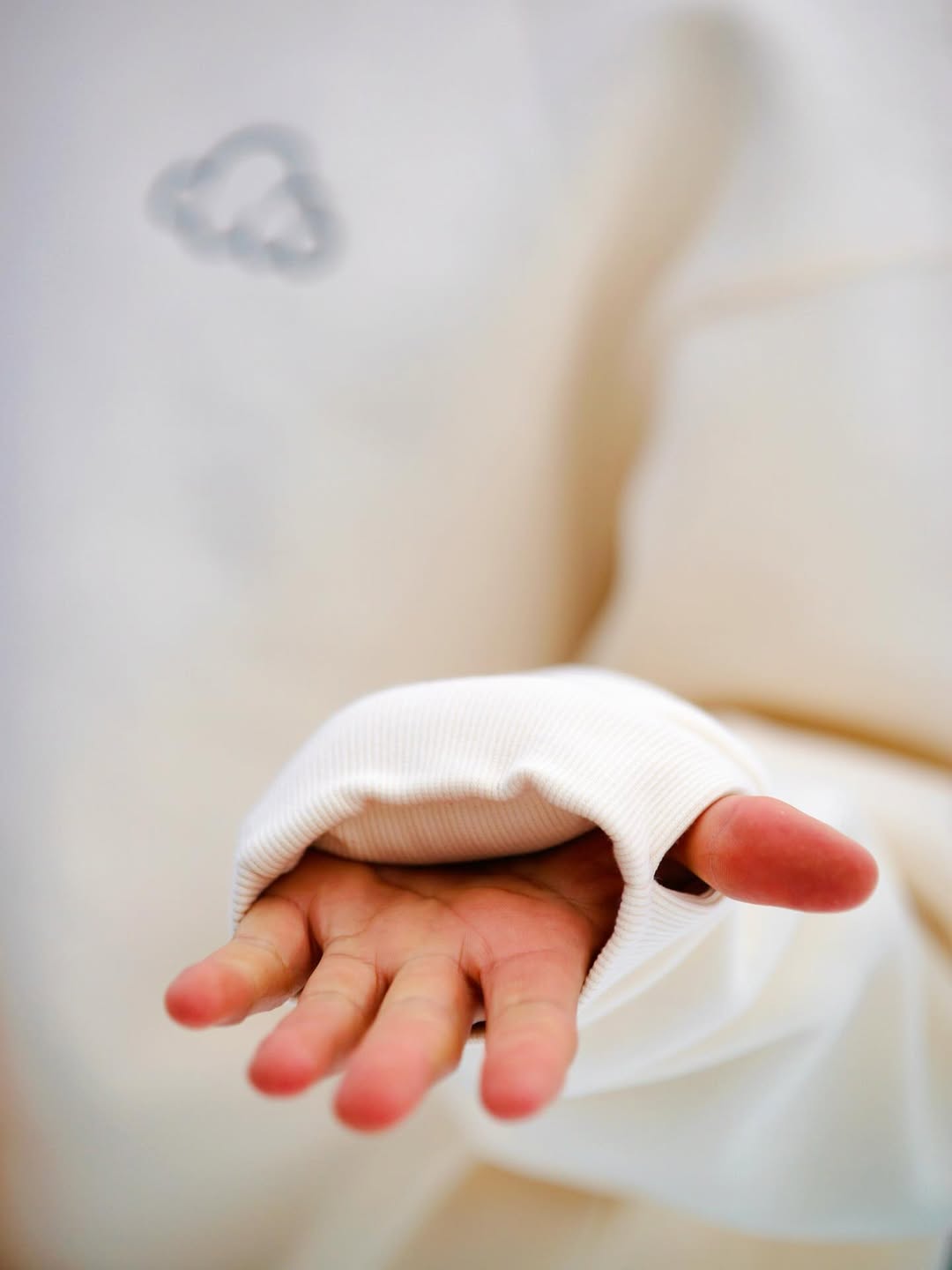
This is where it gets interesting, because people aren’t only wearing it on the couch.
They’re wearing it:
- On flights, especially early morning or red eye flights
- For work from home days when they need to focus but feel off
- After the gym when the body is tired and the brain is noisy
- During long drives
- To walk the dog when they don’t want to think
- To run errands when they want to feel invisible but still put together
- During study sessions as a “time to lock in” cue
- In social situations as a comfort anchor
It’s like a transitional object, but for adults, and socially acceptable. Which is honestly kind of funny. But also makes complete sense.
FAQ: Cloud Nine Hoodie and stress relief clothing
Is the Cloud Nine Hoodie actually proven to reduce stress?
It’s not a medical device, and it’s not going to replace therapy, medication, or professional support. What it can do is support comfort through softness, warmth, and a relaxing fit, which many people experience as calming.
Why do hoodies feel comforting when you’re anxious?
Hoodies can create a sense of warmth, coverage, and gentle containment. For a lot of people, that reduces overstimulation and helps them feel safer and more grounded.
What should I look for in a stress relief hoodie besides softness?
Pay attention to fit (not restrictive), breathability (so you don’t overheat), seams and tags (no scratchy points), and whether it keeps its feel after washing. If it becomes your go to, durability matters.
Is stress relief clothing just a trend?
The marketing is trendy, sure. But using clothes for comfort is not new. People have always had “safe” clothing items. The trend is mostly that we’re talking about it out loud now.
Can I wear a comfort hoodie in public without looking sloppy?
Yes, if the hoodie has decent structure and a clean fit. Pairing it with simple basics (jeans, leggings, clean sneakers) usually keeps it looking intentional.
Who is this kind of hoodie best for?
Anyone who deals with daily stress, sensory sensitivity, decision fatigue, or just wants an easy comfort staple. It’s especially popular with students, remote workers, travelers, and people who spend long hours in casual settings.
How do I make a hoodie last longer if I wear it a lot?
Wash it gently, avoid high heat when drying, and don’t overload the washer. Comfort hoodies get worn constantly, so treating them a bit carefully helps them stay soft and keep their shape.
Is it normal to feel emotionally attached to a hoodie?
Completely normal. If something reliably helps you feel calmer or more protected, your brain will attach meaning to it. That’s basically how comfort objects work, even in adulthood.
Dive deeper here: emmagilt.com
Recommended for you
 Elevate Styles Review: Is This the Most Trusted Place to Buy Wigs Online?
- Elevate Styles Guide: Discover the Stunning Truth About Synthetic vs. Human Hair Wigs
- OcuraLife Review: Is the 6-in-1 Plasma Pen Worth It for At-Home Skin Imperfection Care?
 SISSEL Foam Roller: Welche Härte passt zu dir?
 Honey Acres: The Ultimate Guide to Kosher Certified, Gluten-Free, and Big 9 Allergen-Free Treats
 Kyor OUTGLOW Review: The Effortless Skin Supplement That Actually Transforms Your Glow